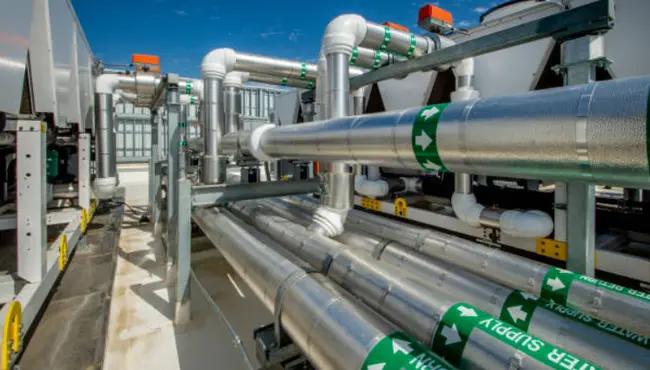
Line sets are the lifelines of outdoor HVAC systems. Their performance depends heavily on proper insulation, which influences energy performance, reliability, and code compliance. Without HVAC line set insulation, suction lines absorb heat, liquid lines lose stability, and compressors cycle under heavier loads, raising utility costs while shortening equipment life.
Why HVAC Line Set Insulation Matters Outdoors
Because outdoor HVAC systems are exposed to the elements and regular wear, proper insulation helps protect their performance and safety.
What an AC Line Set Is
An AC line set is the pair of copper refrigerant lines — a suction line carrying cool vapor back to the compressor, and a liquid line delivering refrigerant indoors — that connect the outdoor condenser to the indoor coil. Understanding how these two lines operate helps explain how insulation directly impacts both the performance and safety of outdoor HVAC systems.
Energy Efficiency and System Performance
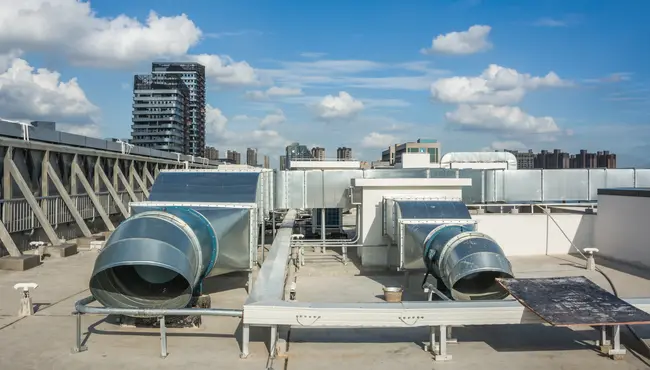
Outdoor line sets are constantly exposed to direct sunlight, rain, wind, and seasonal temperature swings. Without protection, bare copper or poorly insulated tubing can lose hundreds of BTUs per hour, undermining system thermal performance.
Safety and Moisture Control
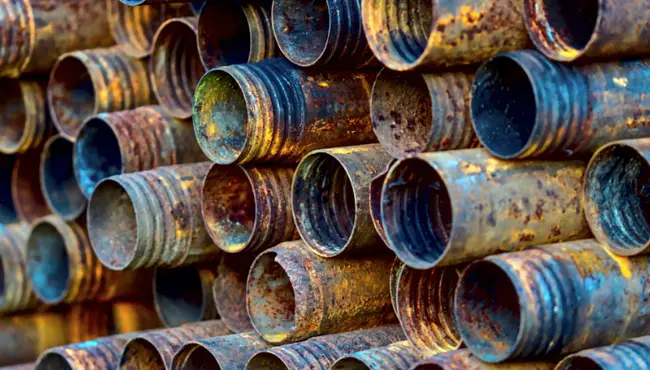
Insulation also guards against surface temperatures high enough to cause burns within seconds of contact. Just as importantly, it prevents condensation from forming on the lines, which otherwise drips onto supports and corrodes tubing over time.
Compliance and Code Requirements
Another factor that makes outdoor ac line insulation so important is compliance. Building codes, including ASHRAE 90.1 and IECC standards, require that mechanical systems be insulated to meet mandated performance levels and pass inspection benchmarks. These codes go further than requiring coverage; they specify:
- R-values
- UV resistance
- Installation methods that extend insulation service life
In jurisdictions such as California, Title 24 adds even stricter mandates, reflecting how energy policy is directly tied to building design. Contractors who neglect proper insulation risk not only higher operating costs for their clients but also potential violations and failed inspections.
Choosing the Right Insulation for AC and Mini Split Line Sets
Selecting insulation materials requires balancing performance, durability, and suitability for outdoor conditions.
Closed-Cell Elastomeric vs. Polyethylene Foam
When deciding on the right material for the job, contractors typically evaluate closed-cell elastomeric foam and polyethylene foam.
- Closed-cell elastomeric is the preferred option for ac line set insulation because of its low thermal conductivity, resistance to moisture absorption, and ability to withstand wide temperature ranges.
- Polyethylene foam may appear cost-effective, but outdoors it breaks down quickly under sunlight and weather exposure. The result is a system that fails prematurely, often costing more in labor and replacement than if the correct insulation had been installed from the start.
For this reason, professional installers emphasize closed-cell products combined with an outer weather-resistant layer.
Insulation for Mini Split Systems
In residential projects, mini splits have become increasingly popular, and with them comes a new wave of installation questions. Many homeowners wonder about mini split line set insulation because the equipment is compact, often mounted on exterior walls, and subject to constant environmental stress. The same principles apply: the suction line must be insulated with outdoor-rated foam to limit heat gain and prevent moisture accumulation, and the insulation must be shielded from weathering.
How to Insulate Mini Split Lines
When installers search for guidance on how to insulate mini split lines, the answer usually comes down to two key steps:
- Select outdoor-rated insulation cut to the proper length.
- Add a rigid cover system that blocks sunlight, sheds rainwater, and deters animals from chewing into the foam.
Without this two-part approach, mini split systems lose efficiency quickly and require premature maintenance.
How to Install HVAC Line Set Insulation Outdoors
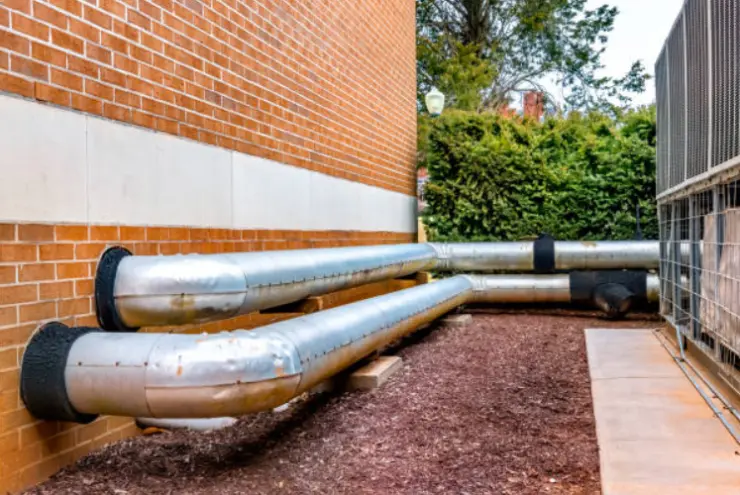
A systematic approach to installation reduces failures and keeps insulation effective over time.
1. Inspection and Preparation
Any old or damaged insulation must be removed, and the copper tubing checked for signs of pitting or corrosion. Once the surface is clean, new insulation can be applied. Pre-slit elastomeric foam is often used because it can be slipped over the line and then sealed at the seam.
2. Installing and Sealing Insulation
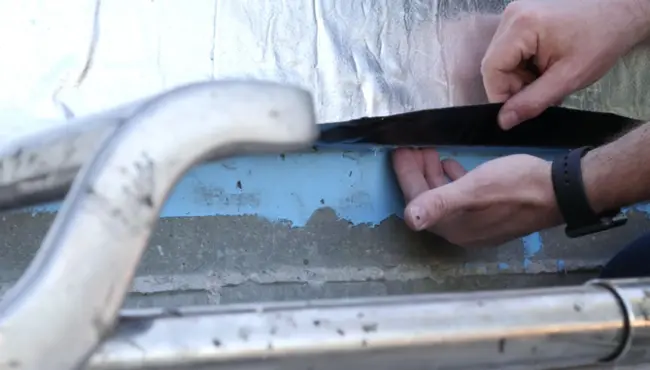
This is where many failures occur in the field. Installers sometimes use duct tape or wrap seams too tightly, which compresses the insulation and reduces its R-value. The correct method is to use adhesive designed for the insulation material, ensuring that the seams are closed, airtight, and vapor-tight. Terminations at bends and fittings should also be glued or sealed with end caps, not left exposed.
3. Adding Protective Jacketing or Covers
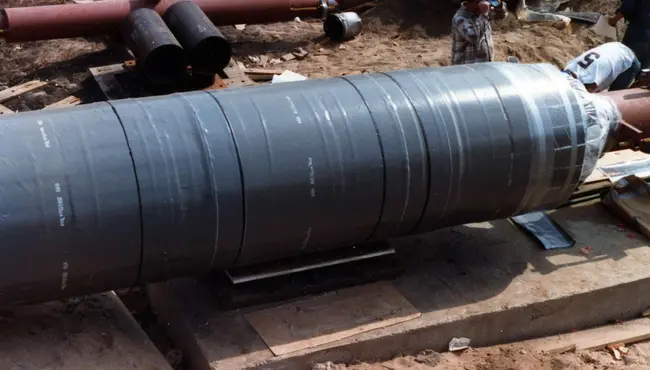
After insulation is applied, it must be preserved with an outer layer. Even high-grade closed-cell foam gradually deteriorates outdoors, which is why protective jacketing plays a key role in extending its lifespan. Without an additional barrier, the material will eventually crack, harden, and lose flexibility. That is why industry best practice calls for jacketing or coating.
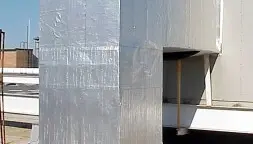
Rigid PVC or aluminum covers are common, as are elastomeric coatings specifically engineered for outdoor HVAC applications. These not only block UV rays but also shield against rain, hail, and mechanical damage. Properly installed, a jacket or coating can double or triple the lifespan of the underlying insulation, keeping the line set functional for decades instead of years.
4. Supporting Line Sets and Preventing Sagging
Support is another overlooked part of hvac lineset insulation. Line sets should be secured every four to six feet using brackets or clamps that prevent sagging and abrasion. When support is absent, seams open, vibration wears away the foam and tubing, and covers shift out of alignment. Adequate support maintains continuous insulation, preserving performance and avoiding premature wear.
5. Sealing Wall Penetrations
Every wall penetration should be sealed with caulk, expanding foam, or specialized sealants. Some professionals also recommend packing steel wool inside the opening before sealing, which deters rodents from chewing through. This level of attention may seem excessive, but in practice it prevents a large share of the service calls that occur due to pest damage and water leaks around mini split and central AC installations.
Compliance and Best Practices
From a compliance standpoint, hvac line set insulation cannot be treated as an afterthought.
- Codes specify not just that insulation be present but that it meet defined standards for thermal resistance, moisture permeability, and UV durability.
- ASTM standards govern compressive strength and dimensional stability, ensuring that insulation performs over years of service.
- ASHRAE and IECC provisions reinforce these requirements by setting minimum efficiency levels for entire HVAC systems.
In practice, proper insulation and protection of line sets is inseparable from passing inspections and achieving long-term performance goals.
Common Mistakes to Avoid
Contractors and homeowners should be aware of frequent errors that undermine installation quality.
- Indoor-rated foam fails rapidly when exposed outdoors.
- Gaps between insulation runs create cold bridges that collect moisture and accelerate tubing corrosion.
- Sealing seams with excessive tape is another common error, since compression reduces the insulation’s effective R-value.
- Skipping jackets or covers leaves insulation exposed to sunlight and weathering, leading to cracks, hardening, and premature failure.
Each of these mistakes weakens the system and often results in callbacks, warranty claims, and early system failures.
Polyguard’s Role in Protecting HVAC Line Set Insulation
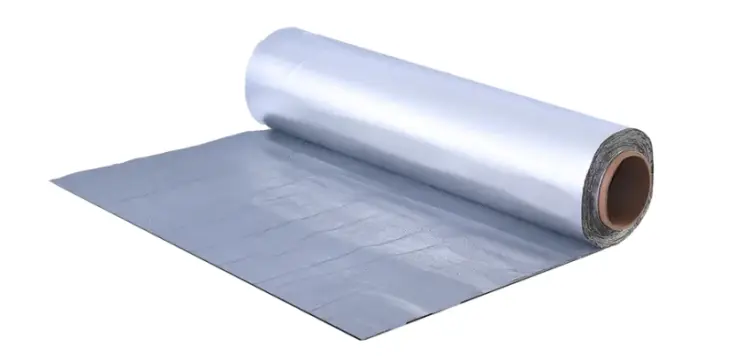
Outdoor line sets face harsh conditions — from constant UV exposure to driving rain and physical impact — that standard foam insulation alone cannot withstand over years of service. Polyguard addresses these vulnerabilities with specialized barriers and coatings that extend both performance and compliance.
Beyond Insulation Alone
Foam controls heat gain and condensation, but it breaks down when exposed directly to weather and jobsite abuse. Contractors need an additional layer of defense that resists sunlight, moisture, and mechanical wear so the insulation beneath can maintain its thermal integrity.
Protective Barriers and Coatings
The Alumaguard® Jacketing System, ZEROPERM Vapor Barrier Membrane,
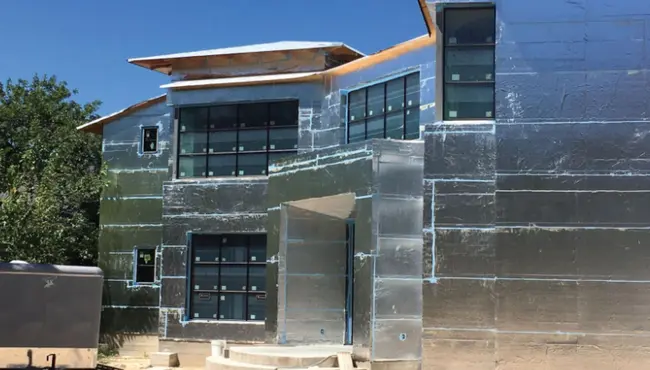
and complementary vapor barriers are engineered to guard insulated line sets from UV degradation, water penetration, and impact damage. These products integrate with elastomeric foam to form a continuous, weather-tight protective system.
Proven Performance in the Field
Polyguard’s systems have been field-tested to preserve vapor seals, block moisture intrusion, and extend insulation service life. Contractors and facility managers who specify their solutions reduce callbacks, stabilize maintenance budgets, and deliver systems that perform reliably over decades of operation.
Protect Outdoor Line Sets with Polyguard Solutions
Polyguard delivers vapor barrier membranes, jacketing systems, and protective barriers that maximize the durability of outdoor line set insulation while reducing maintenance demands. Our products are designed to meet code requirements while reducing long-term maintenance and operating costs. Contact us today for more information.