Base flashing for siding is a small detail with a big job. Positioned at the wall’s lowest edge, it blocks moisture intrusion where rain, runoff, and splash-back are most intense. Without this barrier directing water outward and away, hidden rot, mold, and structural damage can develop long before they become visible.
What Base Flashing for Siding Does at the Bottom Edge
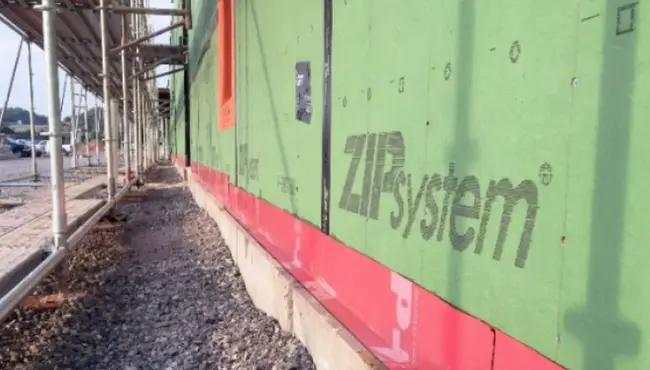
Base flashing serves as a durable, continuous shield that directs water outward and away from the sheathing and framing. It bridges the gap between the siding and the foundation or slab while maintaining a visible gap for drainage and inspection. In a well-built wall, the drainage plane behind the siding sends any infiltrated water down to the flashing, which then carries it past the wall plane so it cannot soak the materials below.
Materials for the Bottom-of-Siding Transition
Selecting the right flashing material is key to long-term protection at this vulnerable joint, and the choice depends on siding type, wall design, and environmental conditions.
Metal Options
Aluminum is lightweight, easy to cut and bend, and resists corrosion in most environments. Galvanized steel offers greater strength and dent resistance but must be coated properly to avoid rust over time.
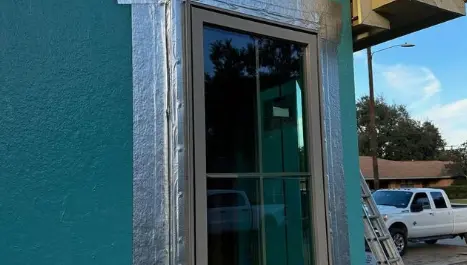
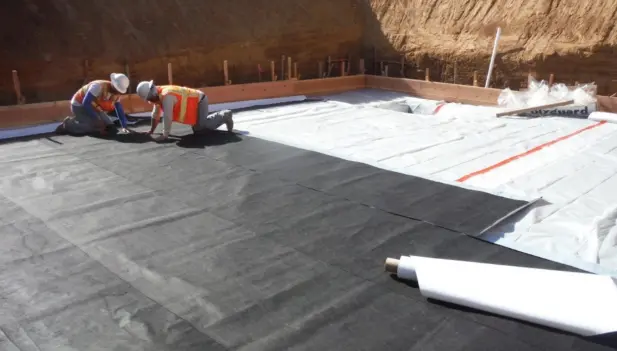
Self-Adhered Flashing Membranes
These adhere directly to the sheathing and integrate with the weather-resistive barrier to create a watertight base, tying into adjacent concrete foundation flashing to keep the drainage path shingled. Overlap and shingle placement are critical for reliable drainage.
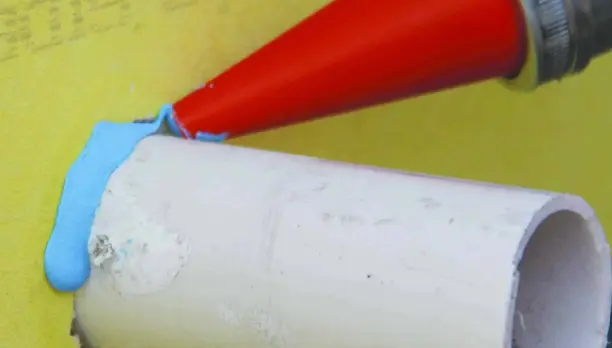
Fluid-Applied Flashings
Fluid-applied systems form a continuous coating that bonds to the wall and adapts to irregular shapes or transitions. They are effective for sealing unique junctions where rigid flashing may be difficult to fit.
Correct Layering and Placement at the Bottom of Siding
Proper sequencing ensures that water flows outward, not back into the wall.
- The base flashing for siding must be positioned so its upper leg extends behind the siding and ties into the drainage plane or weather-resistive barrier in a shingled fashion.
- The bottom edge should project beyond the siding face and include a drip edge to break surface tension, forcing water to fall away instead of curling back toward the wall.
Maintaining visible clearance between the siding bottom and the concrete or grade allows for inspection and prevents wicking into vulnerable materials.
Installation Steps for New Construction
A clean, dry substrate is the starting point for any successful installation.
- Begin by installing the base flashing at the slab or foundation line with precise alignment.
- Apply self-adhered or fluid-applied products according to manufacturer specifications, ensuring correct coverage, overlaps, and curing time.
- Fasten with corrosion-resistant hardware placed where the siding will cover it.
- Seal only at the top edge or specific transitions—never at the drip edge where it would block drainage.
Pay close attention to corners, penetrations, and terminations to avoid gaps or unprotected edges that can channel water into the wall system.
Inspection, Removal, and Repair
Retrofit work begins by removing the lower siding course to inspect the flashing. If it is damaged, corroded, or missing, it should be replaced rather than patched.
- A common repair mistake is sealing the joint with a heavy bead of caulk.
- While it may look sealed, it traps water inside and accelerates decay.
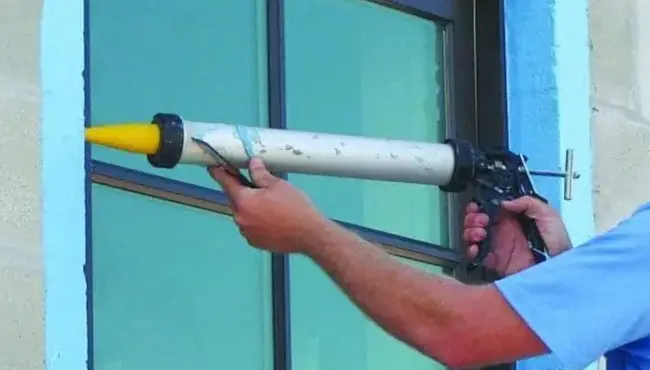
- Instead, caulk should be used only at transition joints or where rigid flashing meets dissimilar materials.
- It should never be applied where free drainage is required.
During retrofits, replacing deteriorated components with new base flashing for siding restores proper overlaps, re-establishes the intended water path, and ensures the bottom edge regains its full water-shedding capability.
Inspection Cues and Common Failures
Regular inspections protect the wall system by catching problems early and allowing repairs before significant damage occurs.
Visible Warning Signs
Look for peeling paint, dark stains, soft or swollen trim boards, rust streaks from fasteners, or efflorescence on the concrete surface. These signs indicate water is bypassing or saturating the flashing. Seasonal inspections are recommended in wet climates, and repairs should be made promptly to prevent further intrusion.
Proactive Inspection Procedures
Check that siding maintains the correct clearance from grade, confirm that the drip edge projects beyond the siding plane, and ensure there are no sealants or obstructions blocking water flow. After severe weather, a visual sweep for damage, fastener corrosion, or swelling at the bottom edge can prevent costly structural repairs later.
When the Bottom Edge Meets Concrete Stairs, Patios, or Slabs
Special detailing is required when siding terminates against other hardscape elements. The drip edge should remain proud of the siding line, and a sealant joint or transition strip should be used where movement is expected between materials.
Fluid-applied products can help create a flexible seal at these junctions, provided they are applied over a stable substrate and protected from UV exposure. For additional guidance, refer to flashing where siding meets concrete for integration strategies.
Technical Reinforcement for Long-Term Durability
Even the most precise installation requires follow-through to perform over decades.
- Base flashing for siding should be checked during major exterior maintenance projects such as repainting, siding replacement, or foundation sealing.
- These inspections confirm that overlaps and clearances remain intact.
- Documenting inspection findings—especially at corners and transitions—provides a reference for future repairs and reduces the risk of repeating earlier mistakes.
By pairing proper installation with ongoing verification, you extend the protective role of the flashing far beyond initial construction.
Get Polyguard Flashing Guidance for Dry, Durable Walls
Protect your siding-to-foundation transition with proven flashing solutions that manage water effectively. Our products integrate with drainage planes, weather barriers, and multiple siding types to extend wall life. Contact us today for more information.