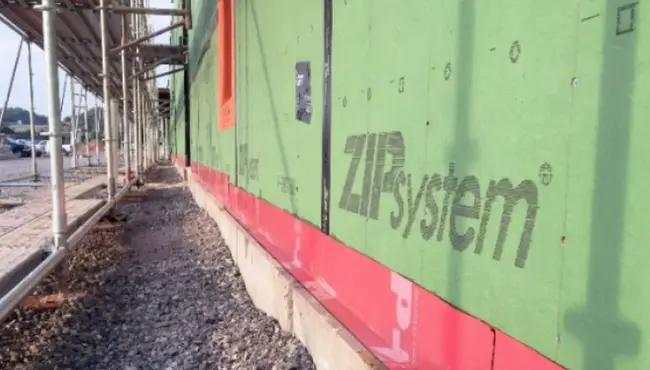
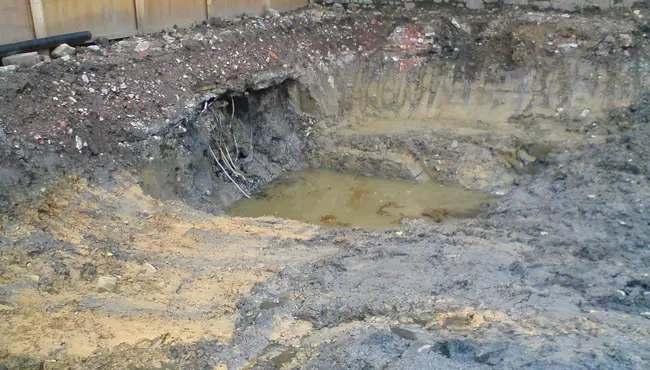
Water intrusion remains one of the most persistent threats to building durability. Rainwater and ambient moisture can compromise the integrity of wall systems, cause material degradation, and create interior damage that is difficult to detect until it’s too late. One of the most overlooked yet important components of exterior wall protection is the window flashing detail—the precise method used to install flashing that prevents water from entering through small voids or seams in the building envelope.
Why Window Flashing Protects the Wall—Not Just the Window
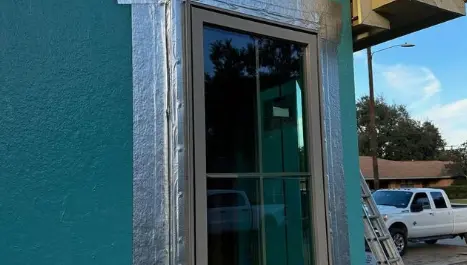
Flashing forms an unbroken layer that directs water away from weak points. Around windows, this function becomes even more important. Openings interrupt the continuity of weather-resistant barriers, insulation, and structural sheathing. Following a well-executed window flashing detail ensures that any water hitting the surface is redirected to the exterior of the building enclosure.
How Flashing Maintains Continuous Moisture Protection
Water follows gravity, air pressure differentials, and capillary forces. Even minor cracks or seams can become moisture pathways. Window frames, trim, and mounting flanges introduce different materials that expand and contract at unequal rates. Flashing must remain continuous and flexible to accommodate these movements without losing its seal.
Material Choices and Substrate Conditions Affect Flashing Performance
Not all flashing materials behave the same across jobsite conditions. Flexible tapes bond well to common sheathing types but may require primer or surface prep in cold weather. Fluid-applied membranes adapt better to irregular surfaces. Mechanically fastened flashing may be appropriate in masonry or concrete applications where adhesives can’t form a consistent bond.
Compatibility with Treated Materials and Metal Substrates
Material compatibility is also central. Flashing must bond to the weather barrier, resist degradation from treated lumber, and avoid chemical reactions with neighboring sealants or adhesives. Installers should confirm product data sheets for all components involved in the window opening to avoid adhesion failure.
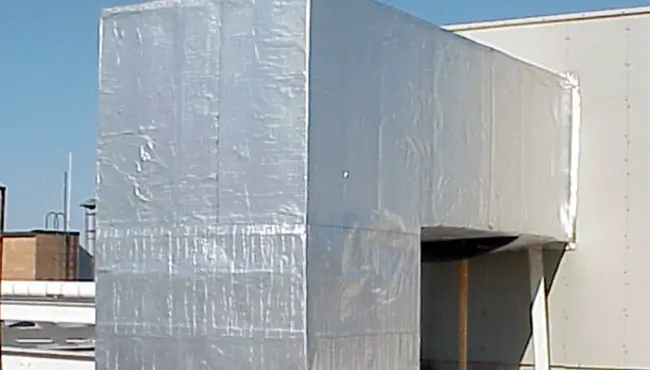
In metal buildings, flashing must be adapted to rigid panels and non-porous surfaces. These assemblies often rely on mechanical fastening rather than adhesives, especially in conditions where temperature shifts or condensation may interfere with bond strength. Some flashing products designed for metal substrates also feature UV-resistant surfacing and reinforcement layers to bridge expansion gaps.
Step-by-Step Installation Process for Lasting Performance
Each window flashing detail must be implemented so that every layer overlaps the one below it. Implementation should start at the bottom of the opening and work upward to ensure water flows out—not in.
- The sill pan is always installed first and must slope downward to drain water away from the opening. Whether made from a pre-formed product or field-fabricated membrane, this pan protects the lowest point of entry from trapped moisture.
- The side jambs come next and must overlap the sill pan at the bottom. This allows water to move downward and out, never behind the flashing.
- Head flashing is applied last to prevent water from dripping behind the upper flange. If integrated with a drainage plane, this top layer must extend over the weather barrier to maintain continuity.
Incorrect layering of flashing can trap moisture instead of directing it outward.
Drainage Compatibility and Sequencing Errors
Common mistakes include tucking flashing under adjacent layers or reversing the order of side and bottom coverage. Even well-sealed joints will eventually fail if water is allowed to collect behind them. Following the correct order and direction of overlap prevents this failure mode.
Common Mistakes to Avoid During Window Flashing Installation
Even small errors in flashing installation can compromise the entire water barrier. These common mistakes often lead to costly repairs and interior damage if not caught early:
- Reversing the Layer Overlaps: Installing flashing layers so that the top overlaps the bottom instead of the other way around traps water behind the assembly, causing leaks and rot.
- Failing to Slope the Sill Pan Properly: A sill pan installed flat or sloped inward prevents drainage, allowing water to pool at the window base.
- Using Sealants as Primary Water Barriers: Relying solely on sealants to prevent leaks ignores their limited durability and inability to redirect water under pressure.
- Skipping Surface Preparation: Installing flashing on dusty, wet, or contaminated surfaces reduces adhesion and increases failure risk.
- Ignoring Material Compatibility: Using flashing tapes or membranes incompatible with adjacent materials can cause chemical breakdown and seal loss.
- Neglecting to Address Thermal Movement: Rigid flashing materials or improper fastening methods that do not allow for expansion and contraction can crack or detach.
Preventing these errors requires following a comprehensive window flashing detail and using tested products suited to the specific building conditions.
Sealants Support Flashing—but Don’t Replace It
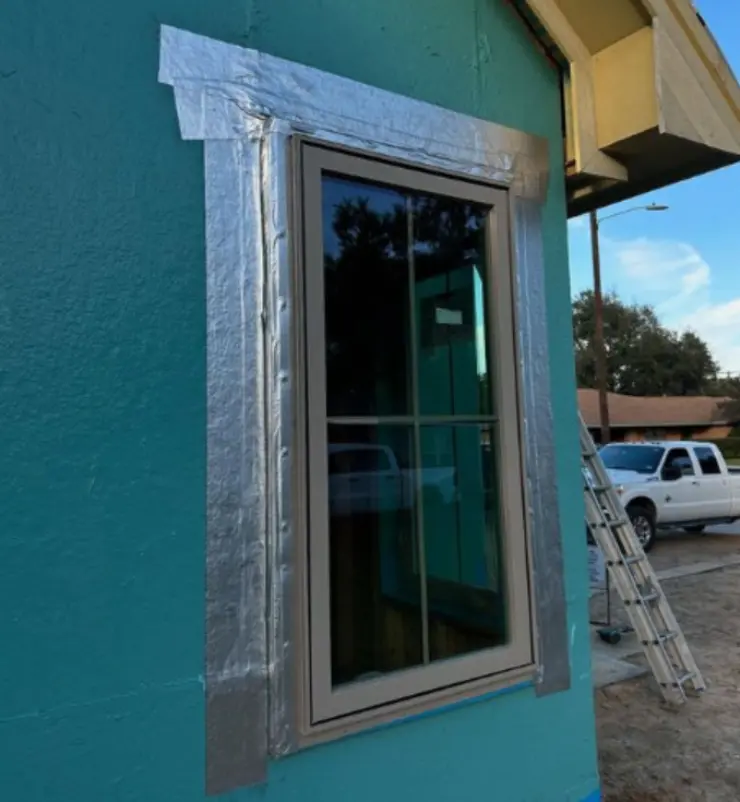
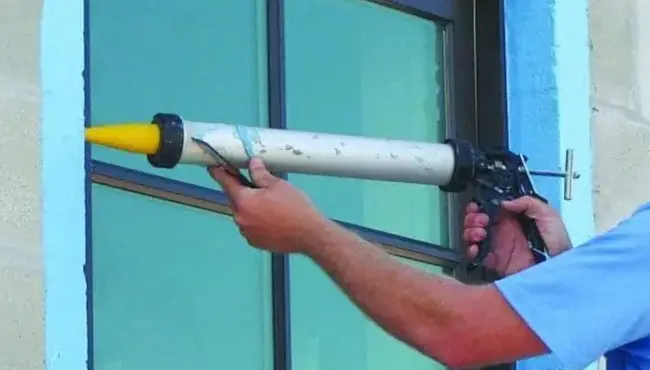
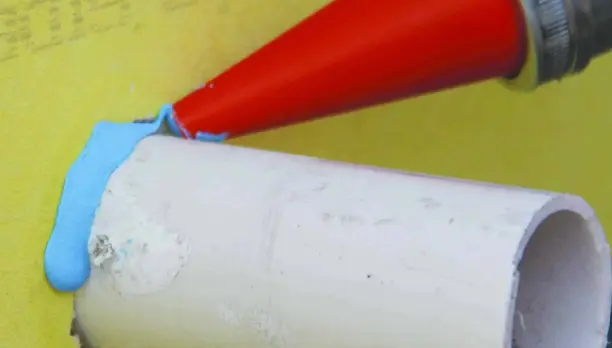
Sealants close gaps, secure membranes, and provide continuity at complex intersections. But they are not primary water-control elements. Sealant alone cannot manage hydrostatic pressure or redirect flow. It degrades over time due to UV exposure, thermal cycling, and building movement. Sealants must supplement flashing as the main water barrier. A complete window flashing detail specifies exact installation steps to stop water intrusion because sealants alone cannot perform that role.
When Building Type Demands Extra Detailing
Some window openings need more robust detailing than others. Coastal buildings, high-rainfall regions, and exposed elevations often require layered systems with redundant protection. In these cases, installers may combine fluid-applied membranes with sheet flashing and pan systems. These assemblies reduce reliance on a single point of failure.
Retrofits pose additional challenges. Existing wall assemblies must be dissected, and flashing adapted to unknown substrates. Retrofit-specific tapes, sleeves, and fluid systems can help bridge gaps between old and new materials. Still, sequencing and drainage principles remain unchanged.
Whether the installation is new construction or a retrofit, every wall type needs a tailored window flashing detail to manage water at the opening.
Product-Driven Flashing Systems Adapt to Field Conditions
High-performance flashing membranes simplify installation and maintain seal integrity as materials shift over time. Polyguard’s WindowSeal 20 mil flashing tape offers a self-sealing, rubberized asphalt design with strong adhesion across wood, concrete, and sheathing. It installs cleanly in a wide range of temperatures and maintains flexibility under moderate building movement.
Flashing Options for Standard and Irregular Openings
For more complex applications, ElastiFlash 70 mil provides extra resilience. This heavy-duty membrane stretches around arched or irregular window openings while sealing tightly around fasteners and uneven contours. Contractors using full flashing assemblies like these experience fewer callbacks and tighter water control, even in field conditions with inconsistent substrates.
Moisture control requires exact application. Precise flashing keeps indoor air clean and framing sound. Detailed flashing prevents mold and maintains structural strength. Correct installation stops moisture from damaging walls over time. These assemblies also meet code requirements when constructed to standard.
Durable Building Envelopes Begin at the Window
Window performance doesn’t depend on the unit alone. The envelope around it must be equally robust. Complete flashing systems strengthen moisture defense around high-risk penetrations like windows and wall joints. Failures often result from missed layers or reversed flashing sequence. Using redundant membranes or pans can isolate high-risk seams, even if one section is compromised.
Protect Your Structure with Polyguard Flashing Systems That Seal and Last
At Polyguard, we understand that long-term building protection begins at every seam and opening. Our flashing systems are engineered for moisture defense, material compatibility, and long-term field performance. Contact us today for more information.