Water is the most persistent threat to concrete and masonry. Cementitious waterproofing remains a common method because it bonds securely and provides reliable coverage in many conditions. Despite its long history in construction, the system has limitations that professionals must weigh carefully before choosing it for demanding applications.
What Is Cementitious Waterproofing?
At its core, cementitious waterproofing is a cement-based mixture blended with modifiers that improve adhesion and water resistance.
- Once applied as a coating, the material cures into a rigid, impermeable layer.
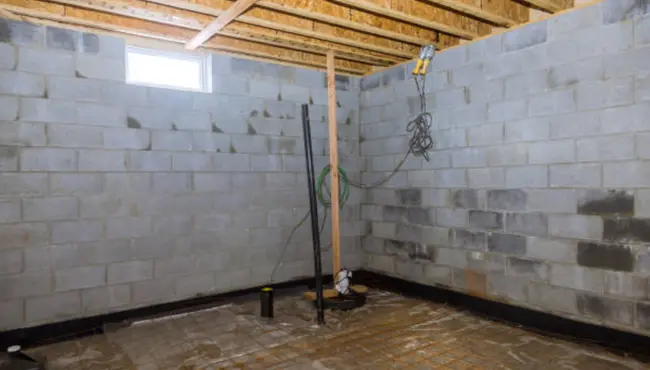
- This makes it especially attractive for below-grade foundations, water tanks, swimming pools, and interior wet areas like basements or bathrooms.
Because it can be mixed and applied with a brush or trowel, the method has earned a reputation for being user-friendly. In addition, cementitious coatings are generally safe for use in potable water structures because they do not leach harmful chemicals.
Types of Cementitious Waterproofing
Different formulations are available, each tailored to specific performance requirements and site conditions
Polymer-Modified and Acrylic
Polymer-modified blends are designed for greater flexibility than traditional slurries, giving them better crack-bridging ability, often accommodating up to 1–2 mm of movement. Acrylic versions focus on improved adhesion and weather resistance, with service lives that typically extend 10–15 years on exposed walls.
Crystalline and Slurry
Crystalline technology introduces chemicals that penetrate the concrete matrix and grow crystals within pores and capillaries, blocking moisture pathways from the inside and delivering protection that can last for the lifetime of the structure. Slurry coats remain a staple because they are cost-effective and straightforward to apply, though their rigidity makes them best suited for static, below-grade environments.
Elastomeric Membranes
Elastomeric cementitious membranes attempt to combine the strength of cement with the stretch of synthetic polymers, producing coatings that tolerate structural movement and can elongate up to 50–100% depending on formulation.
Cementitious vs. Bituminous Waterproofing
Both cementitious and bituminous systems play important roles in construction, but they approach waterproofing in very different ways. Understanding where each excels and where they fall short helps contractors make the right choice for specific project demands.
Material Performance
The performance of waterproofing materials depends on how they handle environmental stress, movement, and long-term durability.
Flexibility and Durability
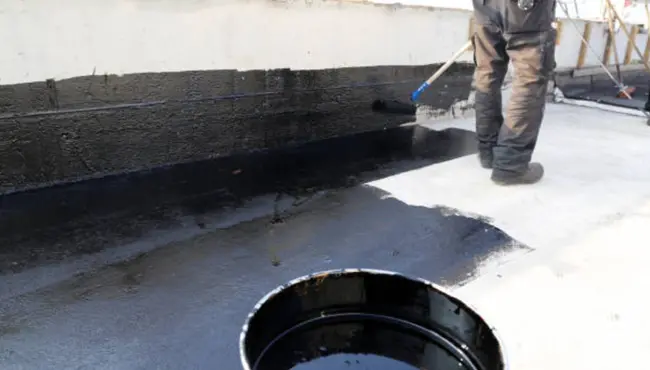
Cementitious waterproofing systems are often compared to bituminous waterproofing, which uses asphalt-based products to form flexible barriers. Bituminous coatings excel at large exterior applications such as roofs and underground structures where flexibility and durability against soil contact are paramount.
Breathability and UV Resistance
They are, however, less breathable and can degrade under ultraviolet exposure unless modified. Cement-based coatings, by contrast, are breathable and UV resistant but tend to be rigid. They work well in static structures like water tanks or foundations but may not perform as well in areas subject to movement.
Cost and Application
Cost factors also play a role. Bitumen can be cost-effective for wide-area coverage, while cementitious systems remain affordable for smaller, interior applications. The more important distinction is labor: bitumen often requires professional installation, while cementitious methods can usually be applied with basic tools and preparation.
Limitations of Cementitious Waterproofing
The main limitation of cementitious systems is that their performance depends heavily on preparation and installation.
- Once cured, the coating forms a rigid layer that can become vulnerable if the substrate shifts or expands significantly.
- Beyond rigidity, correct surface cleaning, crack repair, and joint treatment are critical to long-term success.
- These coatings typically require multiple layers and controlled curing times, which add to labor costs and extend project schedules.
While still effective in many environments, these challenges highlight why alternatives with more flexibility and simpler application are becoming increasingly important in the industry.
Advanced Polyguard Solutions for Lasting Moisture Protection
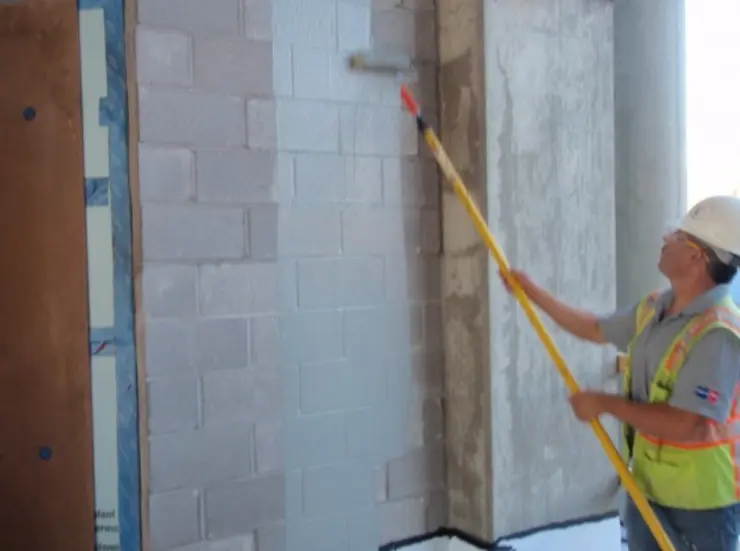
Polyguard provides advanced systems designed to overcome the rigidity and installation challenges of cementitious coatings. These technologies combine toughness with adaptability, delivering performance that traditional rigid systems cannot match.
Stretch Flex® Elastomeric Coating
The Stretch Flex® Elastomeric Coating is a fluid-applied system designed to bridge cracks and maintain flexibility even as structures move, eliminating one of the key weaknesses of rigid coatings.
650® Sheet Membrane
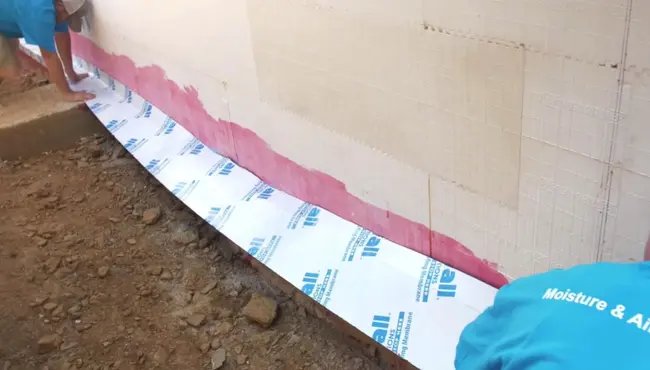
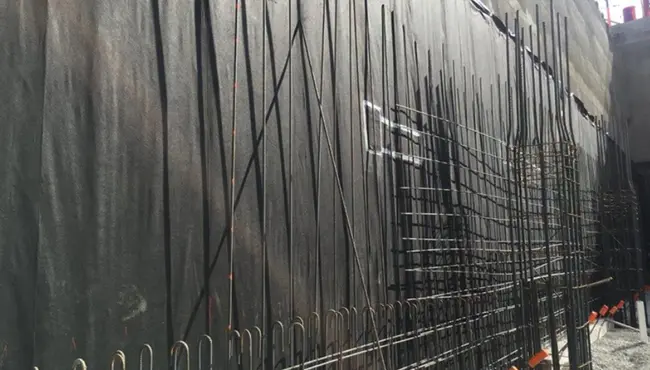
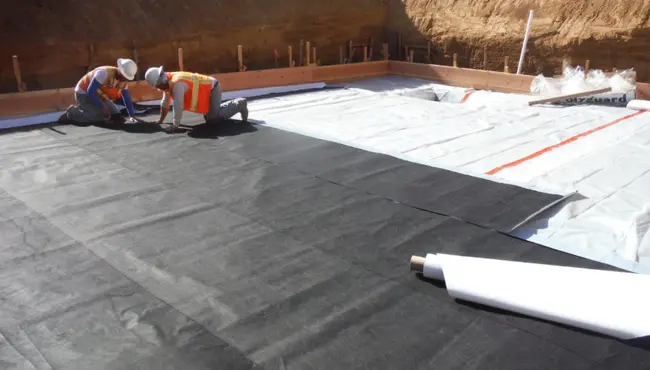
For below-grade applications, the 650® Sheet Membrane provides a robust, self-adhered barrier that creates continuous protection across foundation walls, plaza decks, and tunnels.
Integrated Protection with Block Sealers
When paired with masonry or block substrates, Polyguard solutions also complement treatments that improve moisture protection in concrete block, providing a comprehensive defense against water intrusion. This integration eliminates common weak points where cement-based coatings often fail, extending service life and reducing maintenance costs for owners.
Performance in Real-World Conditions
Polyguard systems are evaluated not just in controlled settings but under the same stresses buildings face every day, which highlights how they differ from rigid cement-based coatings.
Dynamic and Exposed Environments
Whereas cementitious waterproofing membranes may struggle in dynamic structures or exposed conditions, Stretch Flex® and the 650® Sheet Membrane maintain integrity in those environments while helping projects meet demanding code requirements.
Resistance to Stress
They can be specified with confidence in areas subject to thermal cycling, seismic activity, or heavy traffic. Both products are tested to maintain bond strength under shifting loads and resist environmental stress, qualities that directly address failure modes often seen in cement-based coatings.
Reliable Outcomes for Projects
This assurance allows project teams to satisfy building codes while avoiding the hidden costs of premature remediation. By removing the uncertainty that accompanies rigid coatings, these solutions enable contractors to deliver reliable, long-lasting performance.
Application Considerations
Surface preparation is always the foundation of performance, requiring removal of laitance, repair of cracks, and treatment of joints.
- For cementitious systems, mixing ratios and curing schedules must be followed closely to achieve designed performance.
- Modern waterproofing alternatives offer more forgiving formulations and simplified installation that reduce risk of error.
- Ease of installation is critical in today’s market, where labor shortages and tight timelines challenge every project.
Systems that minimize steps while still maximizing protection give project managers and owners a measurable advantage.
Choose Polyguard Waterproofing Systems for Long-Term Protection
Rigid cement-based coatings often fail when structures move or when conditions demand faster, more reliable installation. We deliver solutions that keep water out, reduce callbacks, and help projects meet code with confidence. Contact us today for more information.