A building envelope forms the physical and environmental boundary between a structure’s interior and the outside world. In modern construction, building envelope systems manage how air, water, vapor, and heat move through a building’s shell to improve performance. They influence energy efficiency, durability, and occupant comfort by integrating control layers into assemblies designed to perform reliably over decades of service.
What Is a Building Envelope?
A building envelope is the integrated system of materials and assemblies that separates the interior of a structure from the exterior environment. Its purpose is to regulate the flow of air, water, vapor, and heat through the structure’s boundaries. By combining these functions into coordinated systems, the building maintains a stable indoor environment while protecting its structure from environmental stress.
The Four Primary Control Layers
Every high-performing envelope relies on four key control layers working together to resist environmental forces.
Air Control
The air control layer prevents outside air from entering and conditioned air from escaping. This protects indoor air quality and reduces heating and cooling loads, while preventing condensation from forming inside wall and roof cavities. Pressure differentials caused by wind and temperature differences are the primary driver of this leakage.
Manufacturers offer both sheet and fluid-applied air barrier solutions that integrate with flashing and sealants for a continuous, code-compliant air barrier from roofline to foundation. Field verification using blower-door testing or ASTM E2357 confirms installations meet performance targets.
Water Control
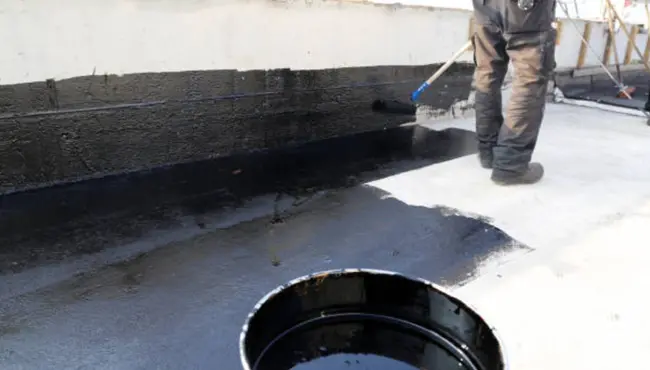
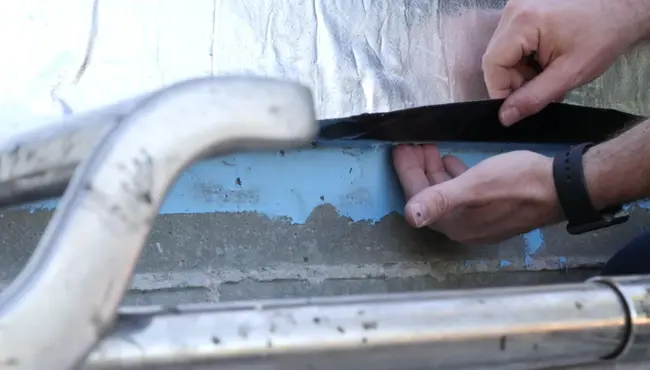
Water control layers keep precipitation from penetrating structural components. This includes exterior cladding, drainage planes, flashings, and membranes detailed to direct water away from vulnerable edges and drain any infiltration back to the exterior. High-performance weather barriers and flashings can be tied into window frames, roof-to-wall transitions, and foundation interfaces to block water entry and maintain durability through seasonal movement.
Vapor Control
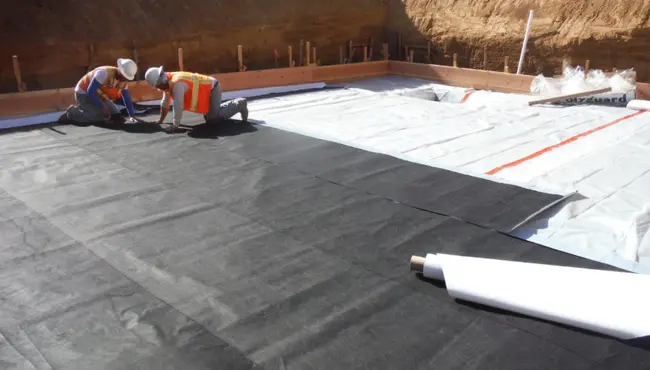
Managing vapor movement requires a more nuanced approach because it varies with hygrothermal conditions and intended occupancy. In cold climates, interior vapor retarders prevent indoor moisture from condensing within walls. In hot, humid climates, exterior retarders prevent outdoor moisture from condensing on cooler interior surfaces. Underslab membranes and wall barriers can be specified in permeance ratings that meet Class I, II, or III vapor retarder definitions per the International Building Code.
Thermal Control
Thermal layers operate in balance with air, vapor, and water control to maintain target R-values year-round. Continuous insulation over framing reduces thermal bridging and stabilizes indoor temperatures. By integrating thermal control with air and water barriers, the building envelope systems maintain comfort and durability in all climates.
Components and Critical Transitions
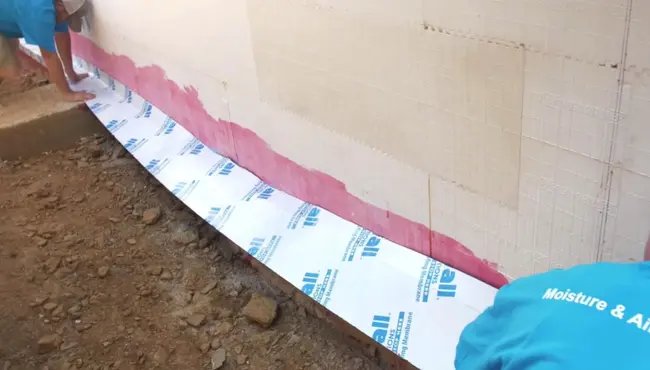
Designing and planning building envelope systems is about ensuring each control layer is continuous through every component and transition. Problem areas include roof-to-wall junctions, wall-to-foundation interfaces, and openings for windows, doors, and mechanical systems. Installation details can tie air barriers into underslab membranes and non-pesticide termite barriers at slab edges, addressing moisture and pest control in one integrated step.
Below-Grade and Foundation Protection
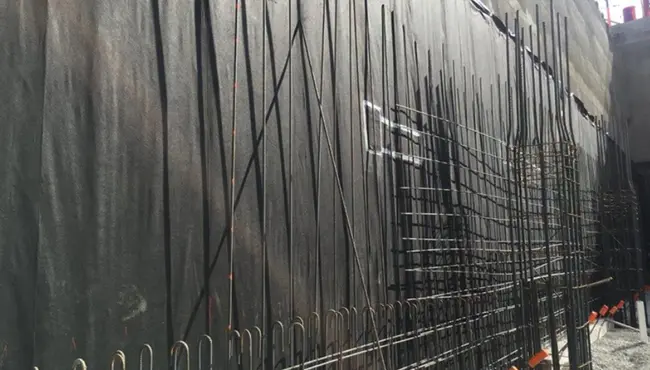
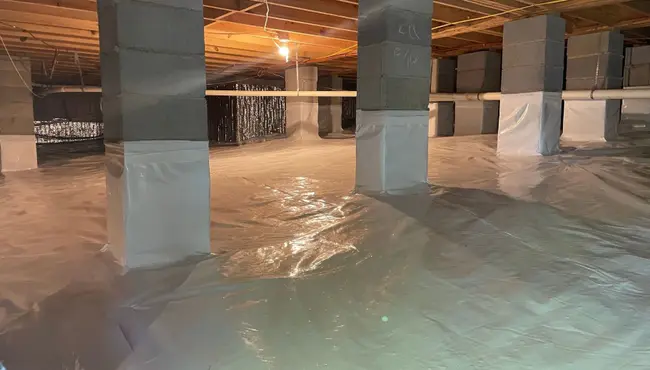
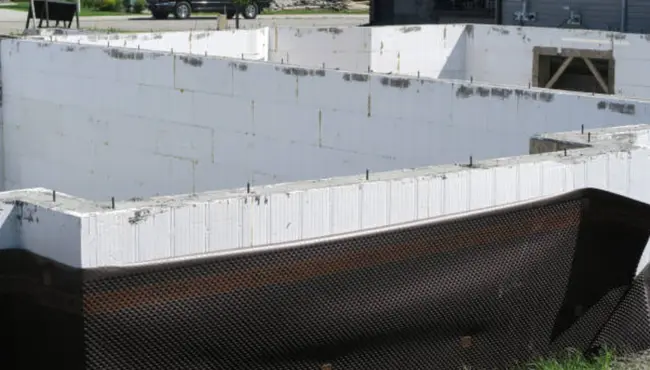
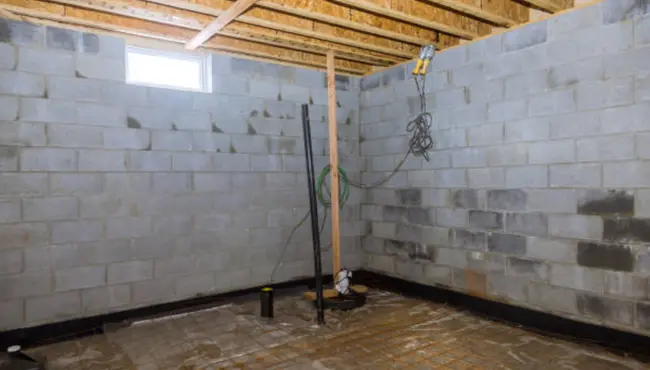
Below-grade components provide necessary resistance to ground moisture, hydrostatic pressure, and soil gases like radon. Low-perm, puncture-resistant underslab vapor barriers block moisture migration from soil into occupied spaces. Pairing them with drainage composites and basement wall waterproofing membranes also controls upward vapor drive for long-term performance.
Climate-Responsive Design
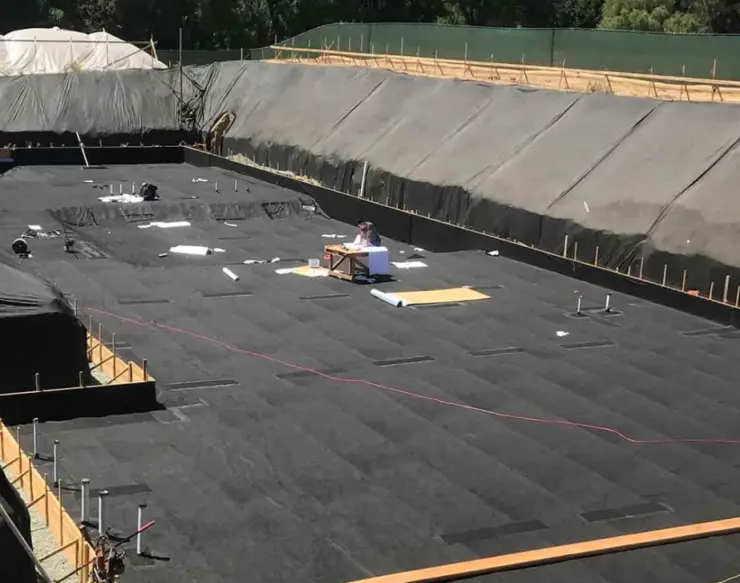
Another significant factor in building envelope systems performance is climate-responsive detailing. Assemblies that perform well in one climate may fail in another without proper adjustments. Strategies can include changing vapor retarder placement, selecting UV-resistant membranes, or specifying higher puncture resistance in high-impact regions. Polyguard offers solutions designed for multiple climate zones, allowing standardized detailing with localized performance optimization.
Construction Sequencing
Construction sequencing affects long-term envelope performance. Installing control layers in the correct order ensures they integrate properly and remain protected during subsequent work. For example, applying a fluid-applied air barrier before window installation allows full coverage behind flanges and continuity into rough openings. Polyguard membranes feature durable top layers and strong adhesion to resist displacement during backfill or cladding installation.
Verification and Maintenance
Verification and quality control should be built into every project that relies on high-performance building envelope systems. Field tests for air leakage and water penetration can reveal weaknesses before they cause damage. Visual inspections of seams, laps, and sealants identify errors while they can still be corrected. Periodic post-occupancy checks ensure drainage paths remain clear and that sealants are replaced before exposure compromises performance.
Modern Integrated Materials
Modern envelope design increasingly uses integrated products that combine multiple control functions. Integrated building envelope systems can serve as both air and water barriers, underslab products can control vapor and termites simultaneously, and accessories connect these layers at transitions. This integration reduces installation time, minimizes compatibility concerns, and simplifies maintenance over the life of the building.
Specify Polyguard Building Envelope Solutions for Reliable Performance
Polyguard offers proven materials for air, water, vapor, and thermal control in assemblies that last. Our integrated products streamline installation and enhance durability across climate zones and building types. Contact us today for more information.