Moisture issues often begin quietly, long before any visible damage appears. Managing vapor movement is one of the most effective ways to prevent long-term performance failures in buildings. That’s why choosing the right vapor barrier material from the start makes a big difference.
How Moisture Protection Shapes Envelope Integrity
At its core, a vapor barrier regulates the movement of water vapor into wall cavities, floor systems, and other enclosed assemblies.
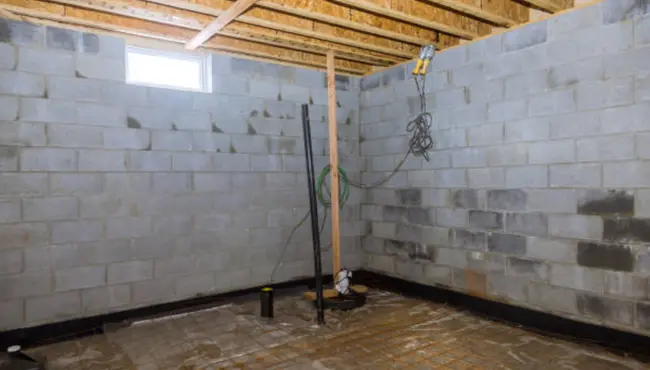
- When air with a high moisture load meets cooler surfaces inside a building, condensation can form and accumulate.
- This type of moisture intrusion leads to rot, corrosion, mold, and insulation failure.
- Stopping it early means choosing materials that work with—not against—the building envelope.
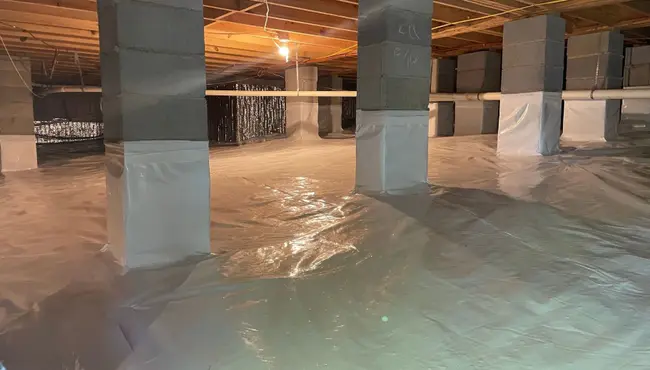
One of the most common vapor barrier material types is polyethylene sheeting. Its thickness and perm rating determine how well it resists water vapor and physical wear. Thicker grades, like 15- to 20-mil sheets, perform better under slab and in high-traffic areas like crawl spaces or mechanical rooms. But polyethylene isn’t the only option—and often, it’s not the most appropriate one.
Selecting Materials Based on Application Requirements
Barrier selection starts with understanding how a building will interact with moisture across different seasons and systems. Climate zone, construction type, occupancy usage, and the location of insulation all influence where and how barriers should be applied.
In cold climates, vapor control membranes are typically placed on the interior side of insulation. That prevents indoor air from condensing inside walls during winter. In hot-humid zones, the opposite is true: the barrier must keep external humidity from penetrating air-conditioned interiors. Installing it incorrectly can trap moisture instead of stopping it—creating exactly the conditions it was supposed to prevent.
Classes and Perm Ratings That Matter
Different materials fall into Class I, II, or III based on how much vapor they allow through. Class I options, like foil-faced membranes and thick plastics, are highly resistant and ideal for high-moisture applications. Class II and III allow for some breathability, which can be helpful in mixed climates or wall assemblies with complex drying behavior.
Reinforced Solutions for Sub-Slab and High-Stress Installations
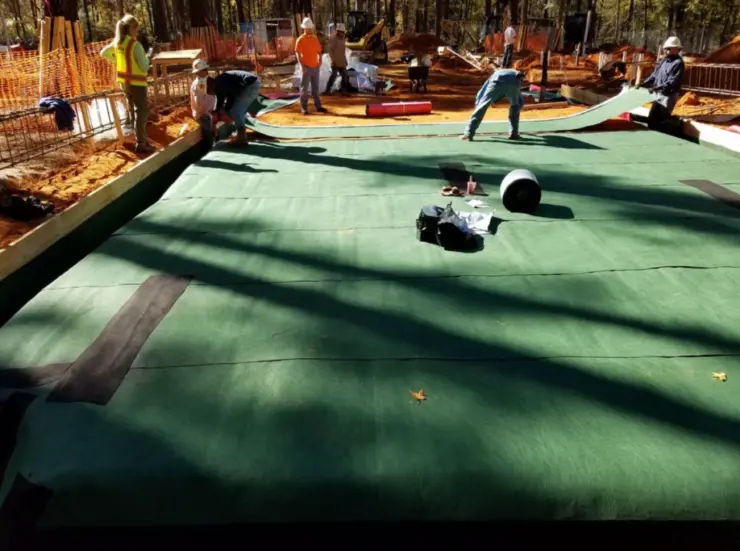
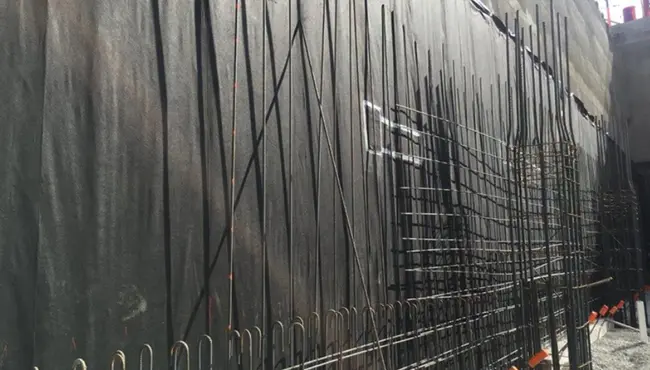
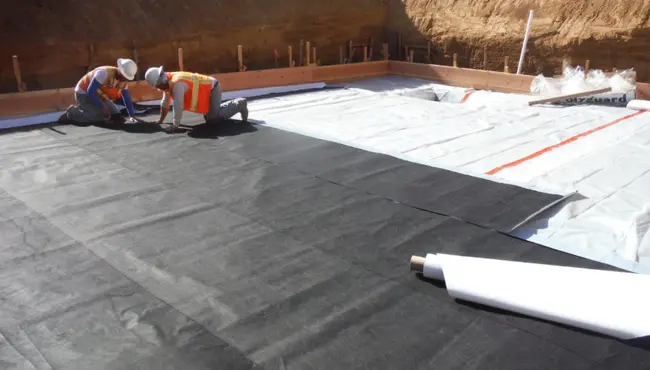
A slab-on-grade installation presents some of the most demanding conditions for a vapor membrane. Not only must it resist moisture intrusion from below, but it also needs to hold up during construction—when workers, rebar, and equipment can easily damage thinner layers. That’s why durability under mechanical stress is just as important as perm rating.
Selecting the Right Product for Underslab Durability
Products like Polyguard’s 650 Membrane are engineered specifically for these types of conditions, offering both moisture control and exceptional puncture resistance under heavy job site traffic. Their bonded construction helps prevent lateral moisture migration while ensuring long-term integrity beneath concrete slabs.
Advanced multi-layer systems are often designed specifically for this type of work. Reinforced membranes provide puncture resistance and dimensional stability that standard films can’t match. And since failures beneath a slab are difficult and expensive to fix, the upfront investment pays off in long-term reliability.
When Dual-Purpose Membranes Make Sense
In some areas, vapor membranes also double as termite shields or radon barriers. These multifunctional designs reduce labor and material layering by combining protection into a single layer. Their performance, however, still depends on correct detailing and compatibility with the rest of the system.
For projects where pest control and moisture management are both priorities, Polyguard’s Underslab TRM offers an innovative solution. It delivers the low permeability of a vapor barrier while helping block termite intrusion in slab-on-grade builds.
Ensuring Seam Integrity and Proper Installation
Even the best-specified vapor barrier material can fail if field execution is sloppy. Common errors include:
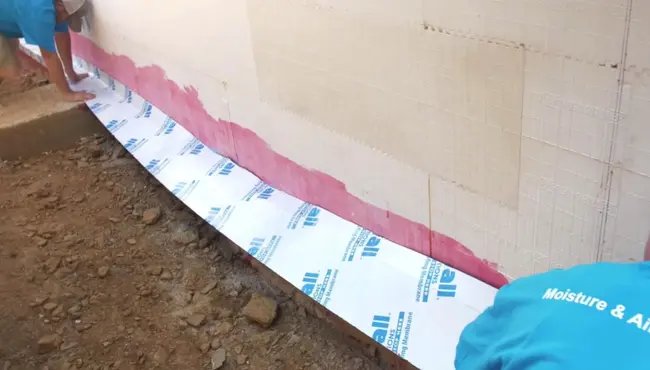
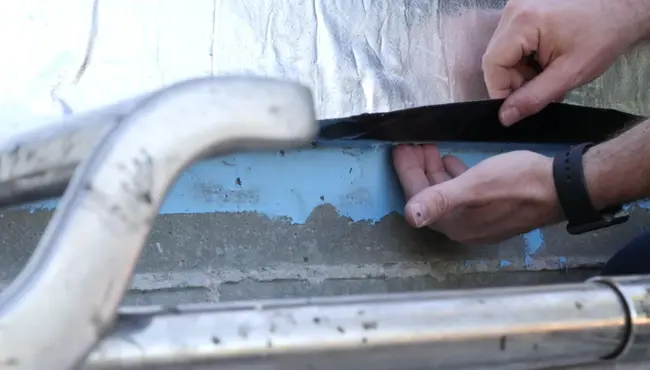
- Poor tape adhesion
- Unsealed penetrations
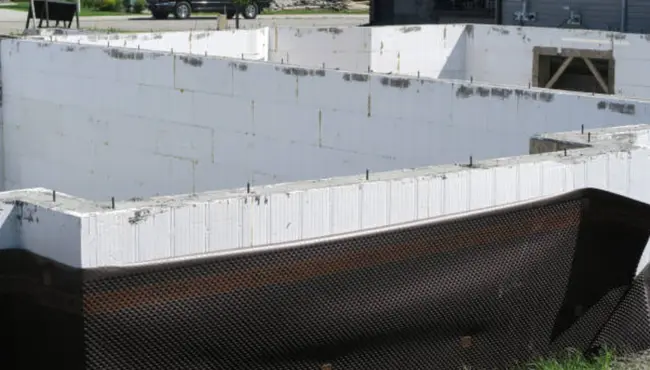
- Lack of continuity across foundation walls and floor junctions.
Every joint, seam, and overlap matters when dealing with moisture protection.
It’s also important to use tapes and adhesives that work with the membrane material. Some combinations degrade or fail under load, especially in colder conditions or when installed over rough substrates. That’s where installation guides and field support from the manufacturer become essential tools—not optional extras.
Designing for Durability in Demanding Environments
Durability doesn’t just mean surviving install day.
- It means holding up over time against environmental pressures, chemical interactions, and material fatigue.
- Some membranes degrade under UV light, while others become brittle if left exposed too long.
- In regions with heavy soil moisture or frequent freeze-thaw cycles, these vulnerabilities can shorten lifespan dramatically.
Products designed with long-term integrity in mind typically come with testing data to support real-world performance. Look for systems validated for tensile strength, aging, and water absorption—not just perm ratings alone. These metrics make the difference between short-term code compliance and true building protection.
Moving Beyond Materials to Moisture Control Strategy
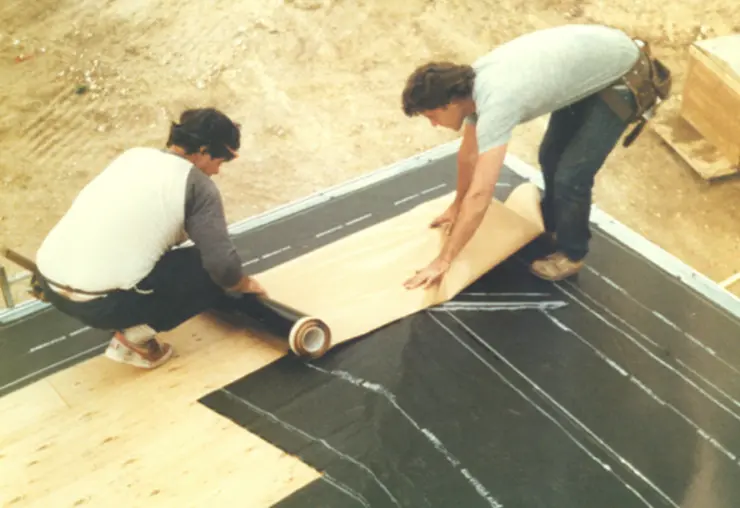
A vapor membrane isn’t just a product—it’s a component of a broader envelope strategy. It has to work in conjunction with insulation, drainage, air sealing, and even mechanical systems. When each layer functions in isolation, risk increases. When they work together, overall durability improves.
That’s why product selection should always reflect the whole assembly, not just the spec sheet. Understanding how a vapor barrier material interacts with substrates, sealants, and surrounding layers helps avoid failures at the transitions where many problems start. This is especially true in commercial buildings and high-humidity interiors like kitchens, labs, or locker rooms.
Consistency and Field Success Start with Smarter Product Choices
Every construction project comes with its own challenges—from climate conditions and occupancy use to scheduling and trade coordination. While budget pressures are real, they shouldn't dictate membrane selection without considering performance tradeoffs. Field failures rarely result from a single flaw; they happen when small oversights compound.
Choosing a vapor barrier material designed for job site performance helps eliminate unknowns during construction. Manufacturers that provide compatibility testing, installation documentation, and field-proven systems help reduce risk from the outset. When those factors are considered during specification, the project is more likely to achieve consistent, reliable results.
Build Stronger Projects with Polyguard Vapor Control Solutions
From under slab protection to wall cavity vapor control and specialized dual-performance membranes, Polyguard offers solutions engineered for both reliability and straightforward installation. Contact us today for more information.