An outdoor deck can transform a space, creating areas for relaxation, entertainment, or added functionality. But when a deck sits over a living space, garage, or commercial structure, it’s more than just a surface, it’s a protective barrier.
Without proper waterproofing, water can seep through, leading to costly repairs, mold growth, and structural damage. The right deck waterproofing membrane prevents these issues, keeping both the deck and the space below dry and structurally sound.
Why Deck Waterproofing Membranes Matter
Traditional wood and composite decks are designed to allow water to drain through surface gaps. However, when a deck is built over an occupied space or structural component, a continuous waterproofing system is required to prevent moisture damage. Without this, moisture can penetrate the deck substrate, leading to structural failure over time.
A deck waterproofing membrane is not just a protective layer, it is an essential component of the deck system for:
- Balconies and rooftop patios that serve as extensions of living spaces.
- Walkways and terraces in multi-level commercial or residential buildings.
- Parking garages and podium decks that require durable moisture protection.
Types of Deck Waterproofing Membranes
Deck waterproofing membranes come in different forms, and selecting the right one depends on the deck’s material, expected use, and finishing layers. The most common types include:
Water and Vapor Protection for Deck Joists
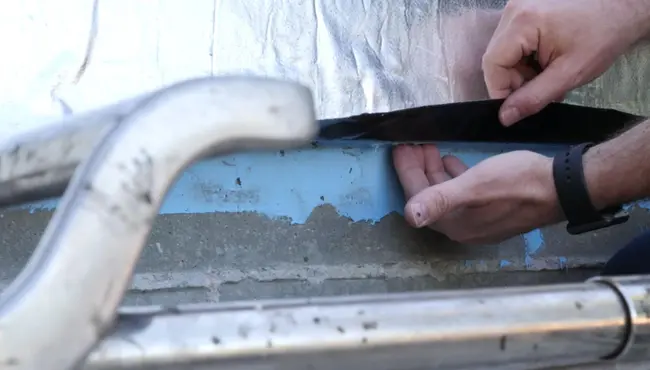
Rot Shield™ joist tape by Polyguard protects a deck from damage caused by water that can accumulate under deck boards. Moisture creates an environment where mildew, mold, and fungus thrive. Rot Shield adheres to the joists that support deck boards, helping reduce long-term deterioration caused by trapped moisture in residential decks.
Sheet-Applied Waterproofing Membranes
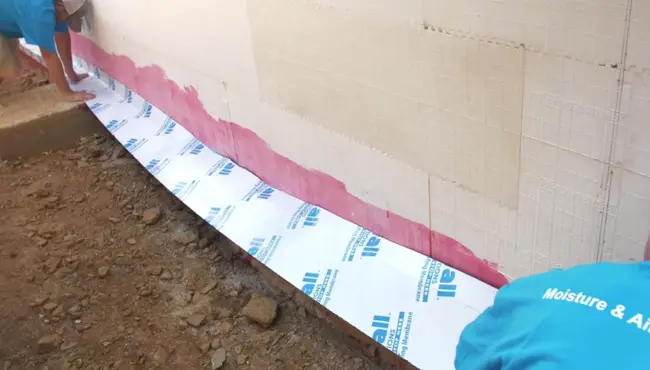
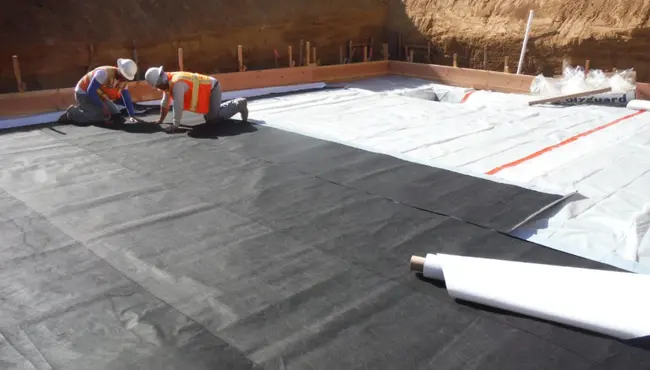
Sheet-applied membranes are rolled out and adhered directly to the substrate, providing consistent moisture protection. These systems are often used in commercial or high-traffic areas with concrete or tile finishes. Polyguard’s Balconyguard™ is one such membrane, designed for multi-family construction and typically installed by professionals.
Liquid-Applied Waterproofing Systems
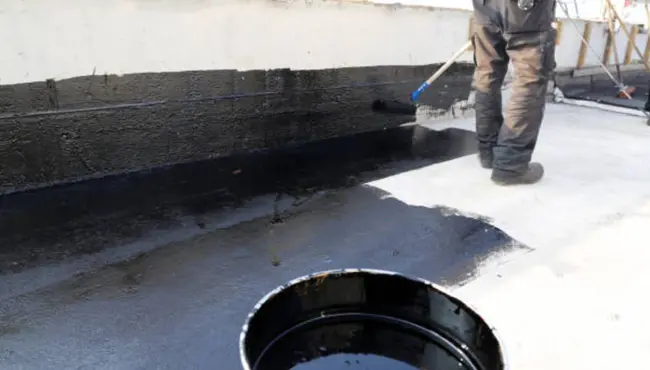
These membranes are sprayed or rolled onto the surface, curing into a flexible waterproof layer. Liquid-applied systems are ideal for irregularly shaped decks and areas with multiple penetrations.
Traffic-Bearing Waterproofing Systems
Some membranes are engineered to withstand direct foot or vehicle traffic. These include reinforced coatings or protective wear layers applied over the waterproofing membrane, commonly used in stadiums, parking structures, and high-use commercial spaces.
Selecting the Right Waterproofing Membrane
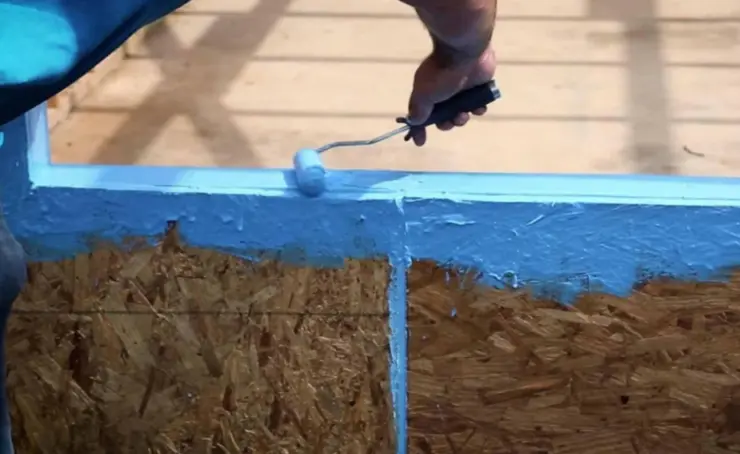
Choosing the right deck waterproofing membrane depends on how the deck is built, how it will be used, and the environmental conditions it will face.
Polyguard offers two high-performance waterproofing solutions:
- Rot Shield™ – A residential membrane installed directly over joists before deck boards are applied. Rot Shield™ helps protect framing from water intrusion and is suitable for decks over storage areas or occupied spaces.
- 650 PRM - A self-adhering waterproofing membrane, 650 PRM is used for structural concrete slabs, including decks that require heavy-duty waterproofing under pavers or tiles.
Other factors to consider include:
- Exposure and traffic – Some decks are fully exposed to weather, while others are protected by an overhead structure. If the deck will experience high foot traffic, additional reinforcement, such as a wear layer or protective topping, may be needed.
- Environmental conditions – Decks in areas with heavy rain, freeze-thaw cycles, or extreme heat require a membrane with strong adhesion and flexibility to prevent cracks and long-term failure.
How Climate Impacts Waterproofing Performance
Waterproofing membranes must withstand different environmental challenges to maintain their integrity over time.
- Cold and snow-prone areas – Repeated freeze-thaw cycles cause expansion and contraction, which can lead to cracks. Flexible sheet-applied membranes absorb movement, reducing the risk of failure.
- Hot and dry climates – High temperatures cause materials to expand and contract. A membrane with high elasticity prevents splitting or detachment over time.
- Humid and rainy regions – Constant moisture exposure can weaken adhesives and create leaks. Fully bonded sheet-applied membranes ensure long-term waterproofing in these conditions.
Avoiding Costly Waterproofing Mistakes
Even the best waterproofing membrane fails if installed improperly. Many failures are preventable with careful application and attention to detail.
Common Issues That Lead to Leaks
- Inadequate Surface Preparation – Dust, debris, and moisture can compromise adhesion.
- Improper Flashing Installation – Poorly sealed joints allow water intrusion at wall-to-deck transitions.
- Lack of Proper Drainage – Standing water accelerates membrane breakdown, leading to leaks.
DIY vs. Professional Waterproofing: What You Need to Know
While some liquid-applied membranes are marketed as DIY-friendly, most waterproof deck membranes require professional installation to ensure longevity.
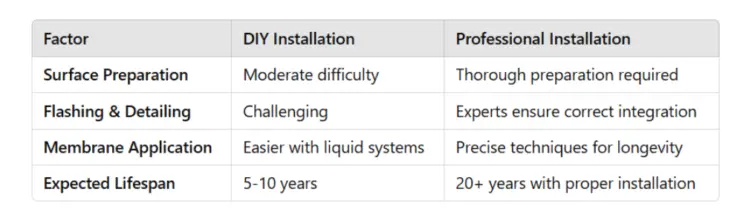
For residential decks over storage areas, a skilled DIYer may install a liquid membrane. However, for balconies over occupied spaces or commercial projects, a professional installer ensures long-term performance.
Installation Guidelines for Deck Waterproofing Membranes
A waterproofing membrane is only as effective as its installation. Proper preparation and application prevent costly failures.
Step-by-Step Installation Process
- Prepare the Surface – Clean the deck substrate, repair cracks, and ensure a dry surface.
- Install Flashing – Apply flashing at all perimeters and penetrations to prevent water intrusion.
- Apply the Waterproofing Membrane – Follow manufacturer instructions for sheet adhesion or liquid application.
- Ensure Proper Drainage – Slope the deck surface slightly (¼ inch per foot) for efficient water runoff.
- Conduct a Water Test – Before finishing, test for leaks to verify waterproofing integrity.
Ensuring Proper Drainage for Long-Term Waterproofing Success
Drainage failures are one of the most common causes of waterproofing membrane breakdown. Without an efficient drainage system, water can accumulate on the deck surface, increasing the risk of leaks and long-term damage.
To prevent this, the deck should be properly sloped at a minimum of ¼ inch per foot, ensuring that water flows toward drains rather than pooling on the surface. Additionally, incorporating weep holes or trench drains helps direct water away from critical areas, preventing it from collecting along walls or thresholds where it could seep into the structure.
Regular maintenance is equally important—clearing debris buildup from drains and gutters prevents blockages that could lead to standing water and premature membrane deterioration. By implementing these measures, deck surfaces remain dry, and the waterproofing system maintains its effectiveness over time.
Cost Considerations: Choosing a Waterproofing Membrane Within Budget
The cost of a waterproofing system varies based on deck size, preparation needs, and product type.
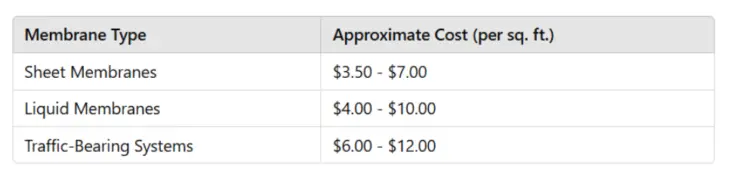
While liquid-applied systems may have lower initial costs, high-performance sheet-applied membranes like Rot Shield™ provide superior longevity, reducing long-term maintenance costs.
Prevent Moisture Damage with Polyguard’s Proven Waterproofing Systems
When a deck is built over an occupied space, waterproofing is the only way to protect the structure below. Polyguard offers industry-leading solutions for moisture control, ensuring long-term durability in residential and commercial projects. Contact one of our experts today for more information.