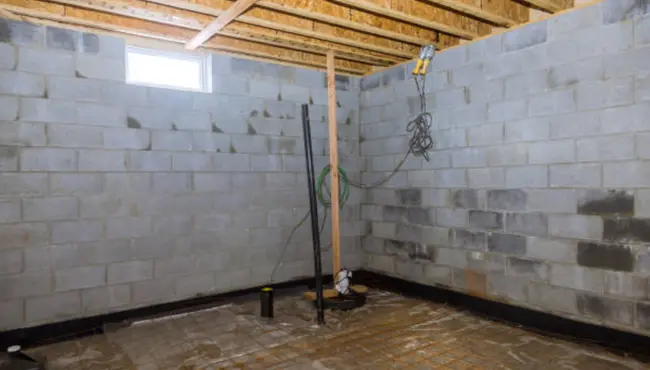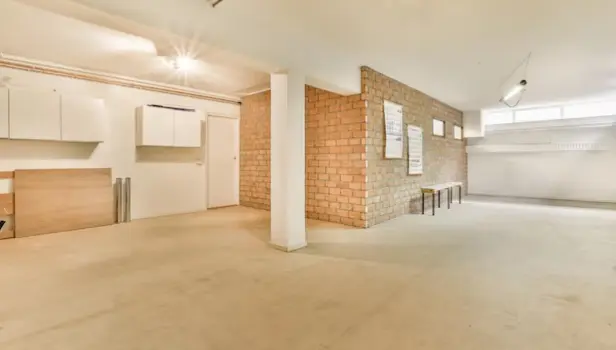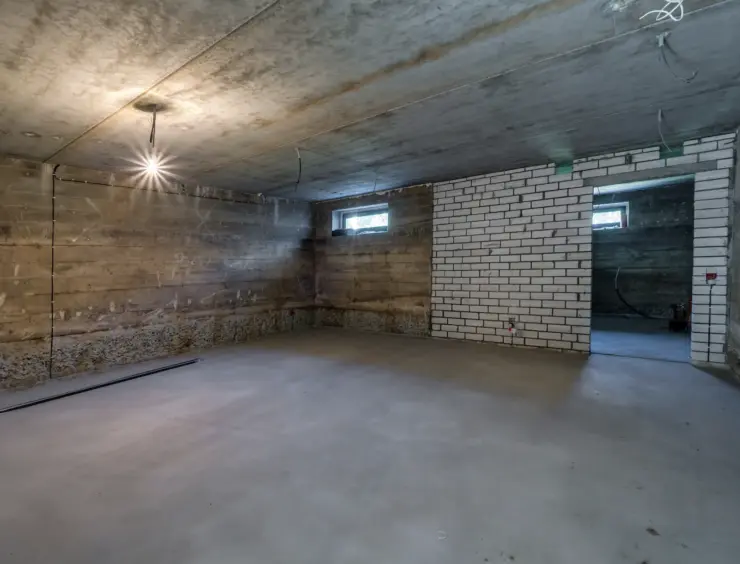
Maintaining a dry basement is essential for preventing structural damage and health hazards like mold growth.
However, to keep a basement dry, you need to know what basement waterproofing is and learn to use a few basement waterproofing methods.
Here’s what you need to know.
What Is Basement Waterproofing?
Basement waterproofing is the process of preventing water from entering a basement or underground space, and it involves a combination of techniques and materials designed to keep moisture out.
It typically involves sealing foundation cracks, installing drainage systems, and applying waterproof coatings or membranes to walls and floors.
Effective waterproofing not only protects the structural integrity of a building but also mitigates the risk of mold and mildew growth, which can pose serious health issues.
Why Basements Leak: Common Causes of Water Problems
Basement water problems are often caused by:
- Condensation
- High humidity
- Foundation cracks
- Poor drainage systems
Addressing these issues with the right waterproofing methods can prevent costly repairs and health risks.
Best Best Basement Waterproofing Methods
Many homeowners ask: what is the best basement waterproofing method? But the best waterproofing method is actually a combination of a variety of both interior and exterior waterproofing methods.
Interior Basement Waterproofing Methods
Here are a few interior methods to consider:
Using Interior Sealants and Coatings
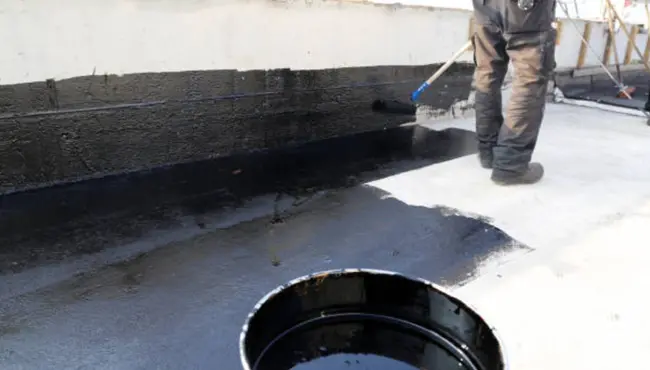
Interior sealants and coatings involve applying waterproof paint or epoxy to basement walls and floors, creating a moisture barrier. This method is affordable and can be a DIY project, making it an attractive option for minor water issues. However, it requires periodic reapplication and may not be suitable for significant water infiltration.
Installing Interior Drainage Systems
Interior drainage systems, such as French drains or perimeter drains, are installed to channel water to a sump pump. These systems are effective for managing internal water issues and involve installing perforated pipes along the interior perimeter of the basement walls. The pipes collect water and direct it to a sump pump, which then pumps it out of the basement. While effective, these systems can be costly and require regular maintenance.
How Sump Pumps Prevent Basement Flooding
Sump pumps are devices installed in sump pits to pump out accumulated water, preventing basement flooding. Equipped with a float switch, the pump activates when water levels rise, ensuring timely removal of excess water. Sump pumps are essential for preventing water damage, though they rely on electricity and require regular maintenance.
Hydrostatic Pressure Relief Systems
Hydrostatic pressure relief systems, or subfloor drainage systems, can be installed beneath the basement floor to alleviate pressure buildup from groundwater. These systems consist of perforated pipes embedded in gravel or drainage fabric, collecting water that seeps through the floor and directing it to a sump pump. This method, however, tends to be complex to install—even if it is often effective.
Exterior Basement Waterproofing Methods
Consider using a few of these exterior waterproofing basements methods:
Excavation and Membrane Installation
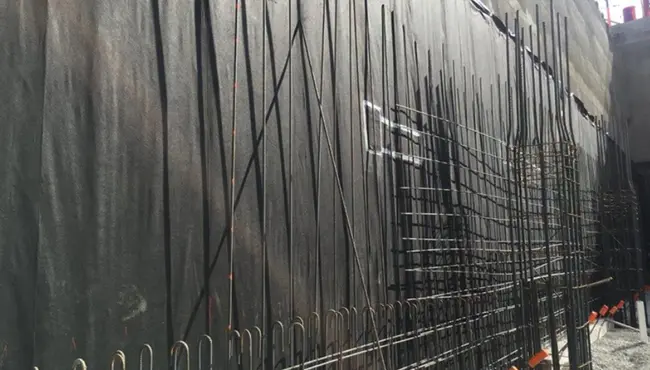
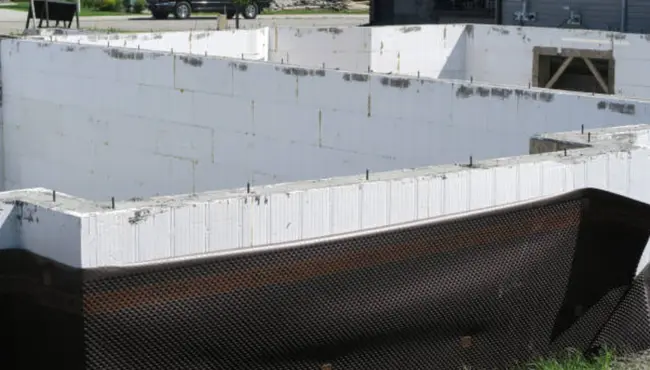
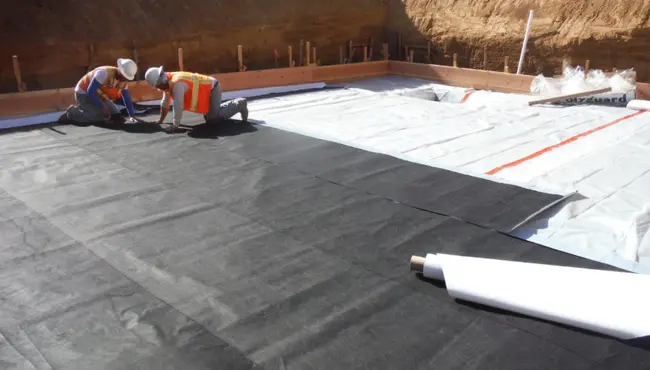
Excavation and membrane installation involve digging around the foundation and applying a waterproof membrane to exterior walls. Although this method prevents water entry and provides a long-lasting solution, it is expensive and requires professional installation.
Setting Up Exterior French Drains
Exterior French drains consist of trenches filled with gravel and perforated pipes designed to collect and divert water away from the foundation. Typically, this method is disruptive and expensive, though it does help redirect water when needed.
Effective Grading and Landscaping
Proper grading ensures the ground slopes away from the foundation, preventing water from pooling around basement walls. This low-cost method improves overall yard drainage but may require additional landscaping efforts.
Gutter and Downspout Maintenance
Ensuring gutters and downspouts function correctly directs water away from the foundation. This simple, cost-effective solution requires regular cleaning and maintenance to prevent water accumulation near the basement.
Highlighting Polyguard’s Products
Polyguard offers a comprehensive range of advanced waterproofing solutions tailored for both interior and exterior applications, ensuring your basement remains dry and protected.
Here are some key products that are highly effective in basement waterproofing:
Polyguard Underseal® Underslab Membrane
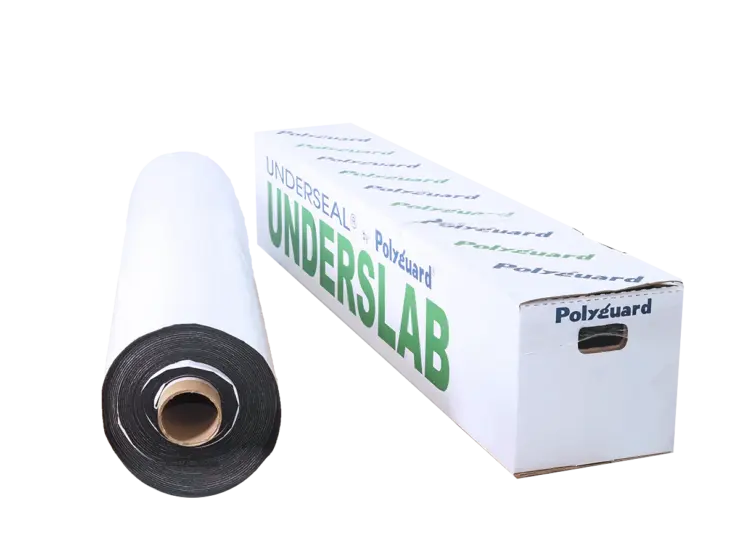
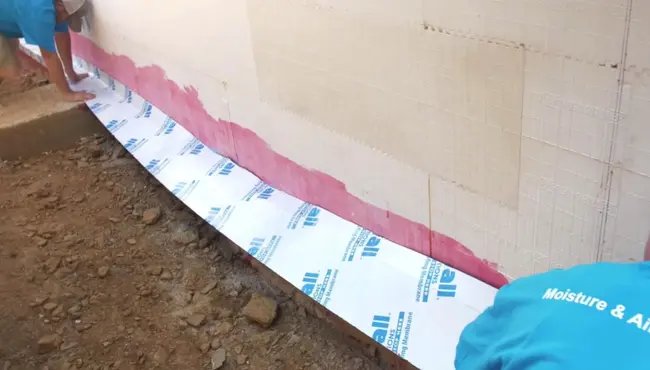
This self-adhesive waterproofing membrane is designed to be applied beneath concrete slabs, providing a strong barrier against water vapor and liquid water. Its high durability makes it ideal for new construction projects, ensuring long-term waterproofing and protection for your basement foundation.
Polyguard 650 Membrane
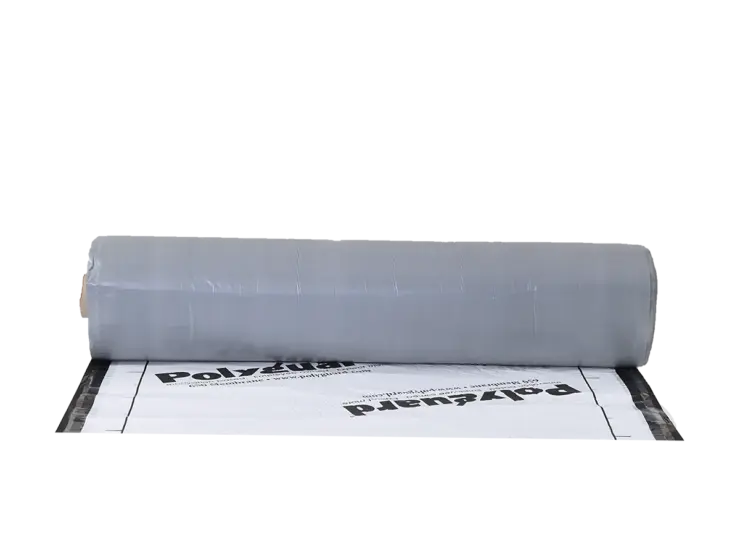
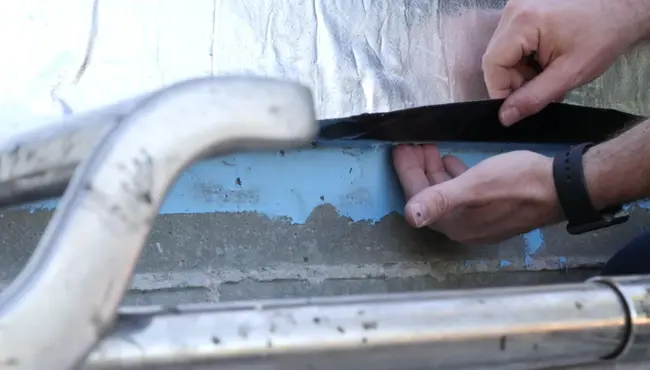
Perfect for both vertical and horizontal applications, this self-adhesive membrane prevents water infiltration when applied to exterior basement walls. Its robust adhesive properties ensure it remains effective even in challenging conditions, offering a reliable solution for keeping basements dry.
Polyguard Totalflow™ Drainage Composite
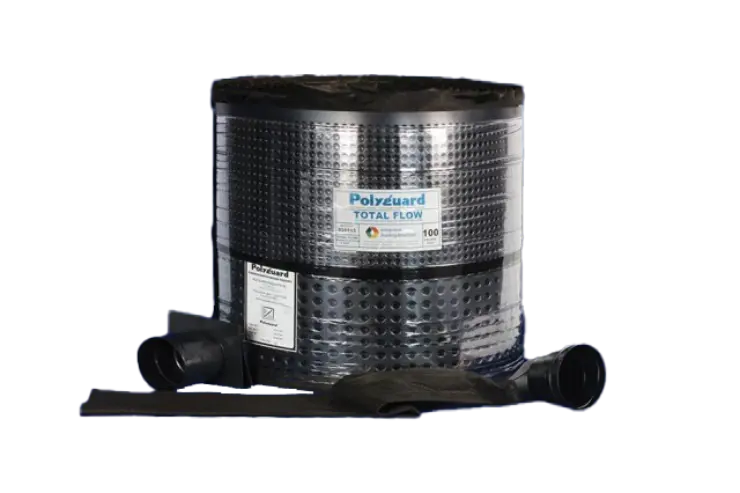
This innovative drainage solution combines a high-flow drainage core with a protective filter fabric, efficiently channeling water away from the foundation and preventing hydrostatic pressure buildup. It’s essential for both interior and exterior waterproofing systems, ensuring effective water management and redirection.
Polyguard TERM® Barrier System
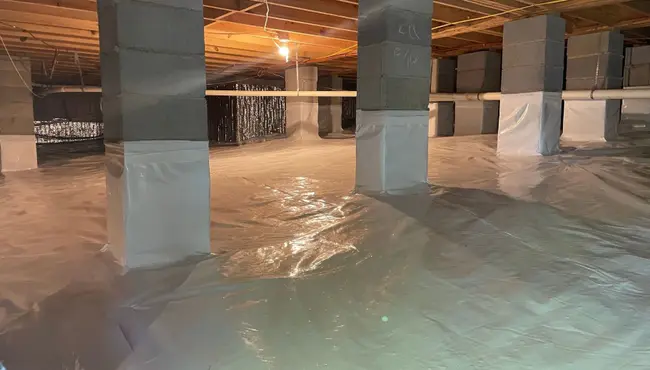
Integrating waterproofing and pest control, this system includes barriers for termites, insects, and other pests, in addition to being a high-performance waterproofing solution. Ideal for homeowners addressing multiple issues with a single product, it provides comprehensive basement protection.
Polyguard's advanced products ensure effective, durable solutions for basement waterproofing, making them a trusted choice for both residential and commercial projects.
Choosing the Right Basement Waterproofing Method
The best waterproofing method depends on the specific conditions of the basement. For minor water issues, interior methods such as sealants and drainage systems may suffice. For severe water problems, exterior methods like membrane installation and French drains provide a more robust solution. Consulting with waterproofing professionals ensures the most effective approach for your basement’s needs.
Take Action with Polyguard’s Waterproofing Solutions Today!
Choosing the right basement waterproofing method is crucial for maintaining a dry, healthy, and structurally sound home.
Polyguard offers a comprehensive range of waterproofing solutions that effectively address various basement water problems.
Contact us today for more information.