Unchecked moisture can weaken structures, degrade materials, and drive up maintenance costs across construction, marine, and industrial environments. One question professionals often ask is, is closed cell foam waterproof, and whether it provides full protection against moisture infiltration.
What Is Closed Cell Foam?
Closed cell foam is a high-density material composed of tightly packed cells, preventing air and moisture from passing through. Unlike open-cell foam, which has a more porous structure, this is waterproof to a high degree, making it ideal for insulation and moisture management. Because of this, it is widely used in environments where water exposure is a concern, such as construction, marine, and automotive industries.
Is Closed Cell Foam Waterproof or Water-Resistant?
To accurately determine whether the material is waterproof, it is important to distinguish between two moisture-related classifications.
- Waterproof – A material that completely blocks water penetration, even when submerged or exposed to prolonged moisture.
- Water-Resistant – A material that repels water but may still allow gradual absorption under certain conditions.
While it is waterproof in many applications, its true effectiveness depends on the density and structure of the foam. Certain formulations offer nearly complete waterproofing, while others remain highly water-resistant but may still absorb small amounts of moisture over extended exposure.
Factors That Affect the Water Resistance of Closed Cell Foam
The ability of the material to be waterproof depends on several key factors:
- Foam Density – Higher-density closed cell materials have a lower permeability rate, increasing their resistance to water infiltration.
- Water Vapor Permeability (WVP) – Measured in perm-inch, this indicates how much moisture can pass through the foam. Lower values indicate greater resistance.
- Seam and Joint Integrity – Proper installation ensures there are no gaps where moisture can penetrate over time.
- Long-Term Exposure – Even though it is waterproof, extended direct contact with standing water without protective coatings may lead to minor absorption.
Understanding these factors helps differentiate which types of closed cell foam are best suited for waterproofing applications.
How Different Closed Cell Foams Handle Moisture
Different types of closed cell waterproof materials vary in effectiveness depending on their composition and intended use.
Polyethylene Foam
Polyethylene foam is highly waterproof, making it a common material for marine applications, flotation devices, and impact-resistant packaging. Its closed cell structure prevents water absorption, ensuring durability even in wet environments.
Neoprene Foam
Neoprene, commonly used in wetsuits, protective padding, and gaskets, is naturally waterproof and highly resistant to chemicals, UV exposure, and environmental wear. This makes it a reliable choice for applications where both flexibility and water resistance are required.
Ethylene Vinyl Acetate (EVA) Foam
EVA foam is lightweight, waterproof, and commonly found in sports padding, footwear midsoles, and impact-resistant applications. It provides cushioning while effectively repelling moisture.
Polyurethane Closed Cell Spray Foam
Polyurethane spray foam is widely used in building insulation because of its ability to form a rigid, moisture-resistant barrier. However, while it significantly reduces water vapor transmission, prolonged exposure to standing water may lead to minimal absorption over time.
Because different types of closed cell foam have unique characteristics, their applications vary based on moisture exposure and durability needs.
Applications of Closed Cell Foam in Moisture-Prone Environments
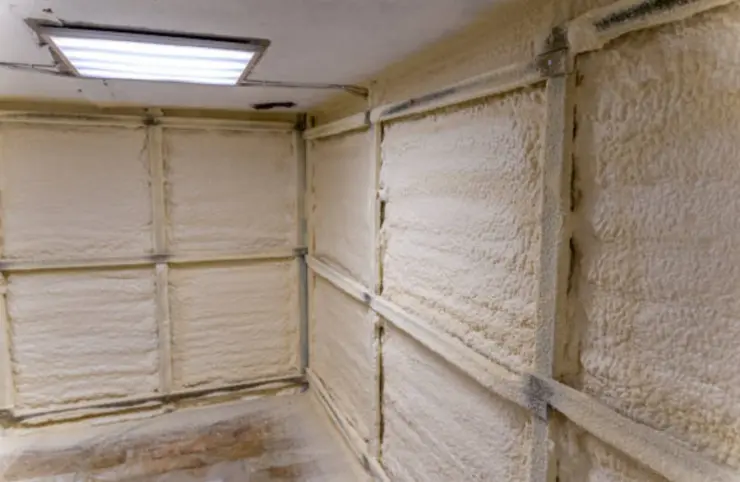
Due to its ability to resist water, this waterproof material is widely used in various industries where moisture control is essential:
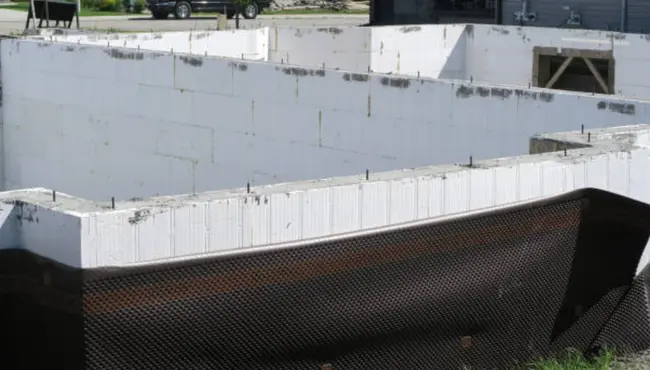
- Building Insulation – Installed in walls, roofs, and foundations to prevent air and moisture intrusion.
- Marine Applications – Used in flotation devices, boat cushions, and waterproof protective layers.
- Protective Packaging – Shields sensitive equipment from humidity and water damage during shipping and storage.
- Sealing and Gasketing – Applied in industrial and automotive settings to create watertight seals.
- Soundproofing and Vibration Damping – Helps reduce noise transmission in environments exposed to moisture.
Where Closed Cell Foam’s Waterproofing Falls Short
Despite its strong water resistance,it is only waterproof to a certain degree. Several factors can impact its effectiveness:
- Extended Submersion – Although resistant, some closed cell materials may absorb water over prolonged submersion.
- Environmental Degradation – UV exposure, temperature fluctuations, and chemical exposure can degrade foam over time.
- Installation Errors – Gaps, improperly sealed joints, or misapplications can create moisture entry points, reducing effectiveness.
How to Improve the Water Resistance of Closed Cell Foam
For projects that require the highest level of moisture protection, additional measures can improve its waterproof performance:
Seal All Seams and Edges
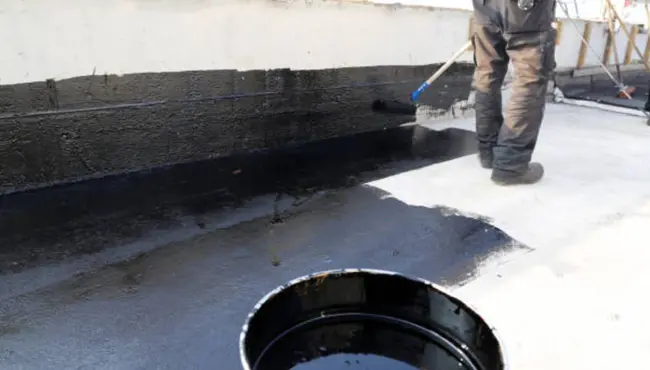
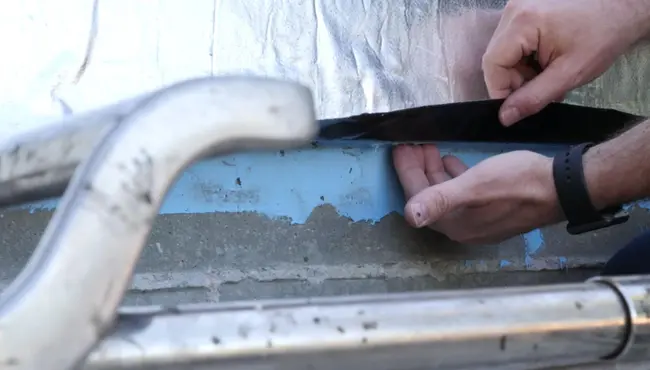
Even the best insulation can underperform if water finds its way through seams. To ensure a watertight barrier, it's important to seal all joints, edges, and cut surfaces of the closed cell foam using a compatible waterproof tape or sealant. This step reduces the risk of moisture penetration through vulnerable connection points, especially in below-grade or exterior applications.
Apply a Protective Coating
While closed cell foam has good moisture resistance on its own, it can degrade over time when exposed to ultraviolet (UV) rays and mechanical wear. A protective coating or elastomeric sealant acts as a shield, preserving the foam’s integrity and extending its lifespan. Coatings also add an extra layer of waterproofing, which is beneficial in both residential and commercial applications.
Ensure Proper Installation Techniques
Gaps or uneven application during installation can create weak points where water might enter. Proper installation ensures uniform coverage and maximizes the foam’s waterproof capabilities. Using professional-grade equipment and following manufacturer guidelines are important to achieving a continuous and impermeable surface.
Use WM-40 Waterproofing Membrane Below Grade
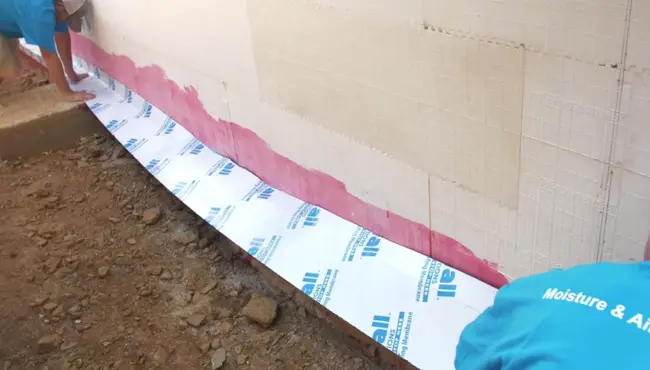
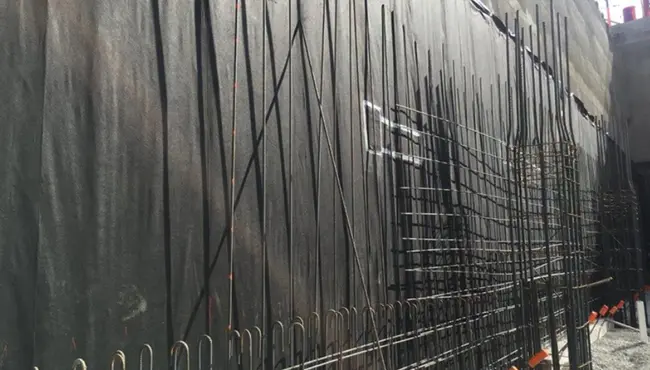
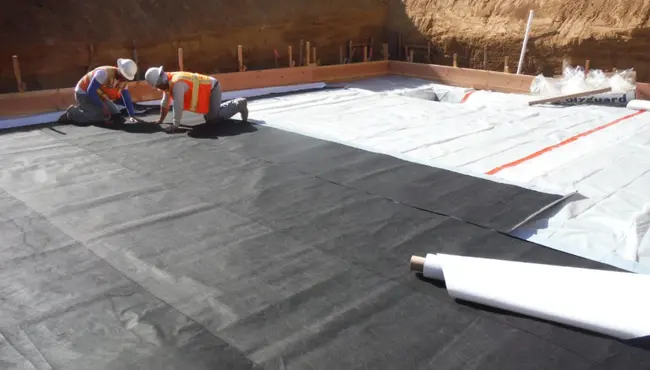
For superior moisture protection in below-grade applications, especially along exterior foundation walls, consider adding a robust waterproofing membrane. Polyguard’s WM-40 is a self-adhering, rubberized asphalt sheet membrane specifically designed for use in these environments. When applied over closed cell foam, WM-40 creates a continuous barrier that blocks water intrusion and helps protect the structure’s thermal envelope from long-term moisture damage.
Strengthen Moisture Protection with Polyguard’s Expertise
Effective moisture control is essential for durability and long-term performance across industries. Polyguard provides insights and solutions to help professionals tackle water infiltration challenges in construction, marine, and industrial settings. With decades of expertise in waterproofing, we offer guidance on best practices for moisture protection. Contact us today to learn more.